Trying to choose between the energy of downtown and the calm of the water in Fort Lauderdale? That decision shapes more than your address. It affects how you commute, how you spend weekends, and what kind of home maintenance you may take on. If you are comparing both lifestyles, this guide will help you sort through the real tradeoffs so you can choose with confidence. Let’s dive in.
Downtown Fort Lauderdale at a glance
Downtown Fort Lauderdale is built for people who want an active, connected routine. The city’s planning vision centers on a mix of housing, shopping, offices, entertainment, public space, and transit-oriented development, creating a more urban day-to-day experience in the heart of the city.
If you picture yourself walking to dinner, catching a show, or using transit more often, downtown may feel like a natural fit. It tends to appeal to buyers who want convenience, activity, and a condo-centered lifestyle close to the action.
Waterfront Fort Lauderdale at a glance
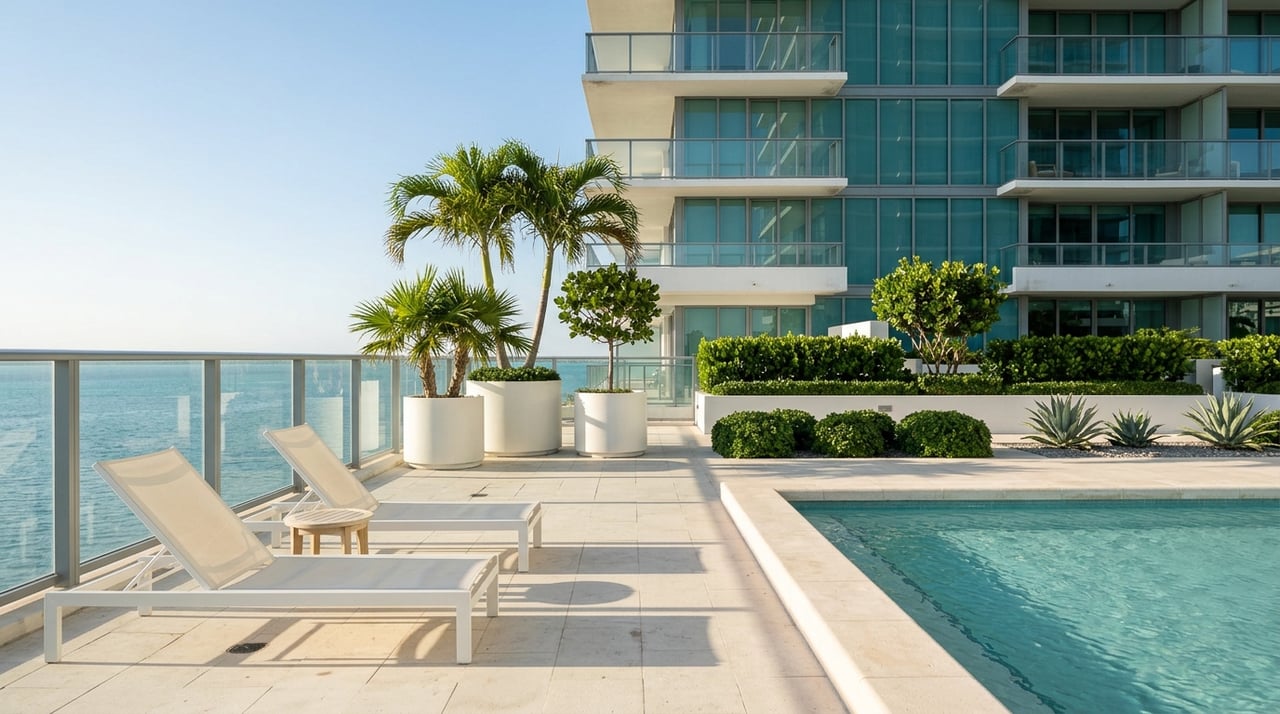
Waterfront Fort Lauderdale offers a very different rhythm. The lifestyle here revolves around canals, marinas, dockage, water views, and easy access to the boating culture that helps define the city.
Fort Lauderdale has 165 miles of navigable waterways, and that marine identity shapes many waterfront areas. For many buyers, you are not just paying for a view. You are paying for direct access to the water, a residential setting, and a routine that feels tied to boating and outdoor living.
Daily life: walkable versus water-centered
Downtown life is more car-light
One of downtown’s biggest strengths is mobility. The city’s transit-oriented development approach is designed to support walking, biking, and transit in more pedestrian-friendly areas.
That shows up in real ways. Brightline’s Fort Lauderdale station at 101 NW 2nd Avenue sits near downtown destinations, and the free LauderGO! network connects Downtown, Las Olas, the beach, and the New River by shuttle and water trolley.
If reducing daily driving matters to you, downtown usually has the edge. It is often easier to build a routine around walking, short rides, and rail access to other South Florida cities.
Waterfront life is more boat-centered
Waterfront living tends to feel more residential and lifestyle-driven. Instead of asking how close you are to a station, you may care more about canal access, dock setup, or how quickly you can get out on the Intracoastal.
That does not mean waterfront areas are isolated. Some are surprisingly close to the city core. For example, the city defines Rio Vista as an area bounded by US-1, the Intracoastal Waterway, the New River, and SE 12th Street, with beach access via 17th Street or Las Olas Boulevard.
In practical terms, that means you may get a quieter residential setting without giving up access to downtown and the beach. For many buyers, that balance is a major reason waterfront living stands out.
Housing options feel different
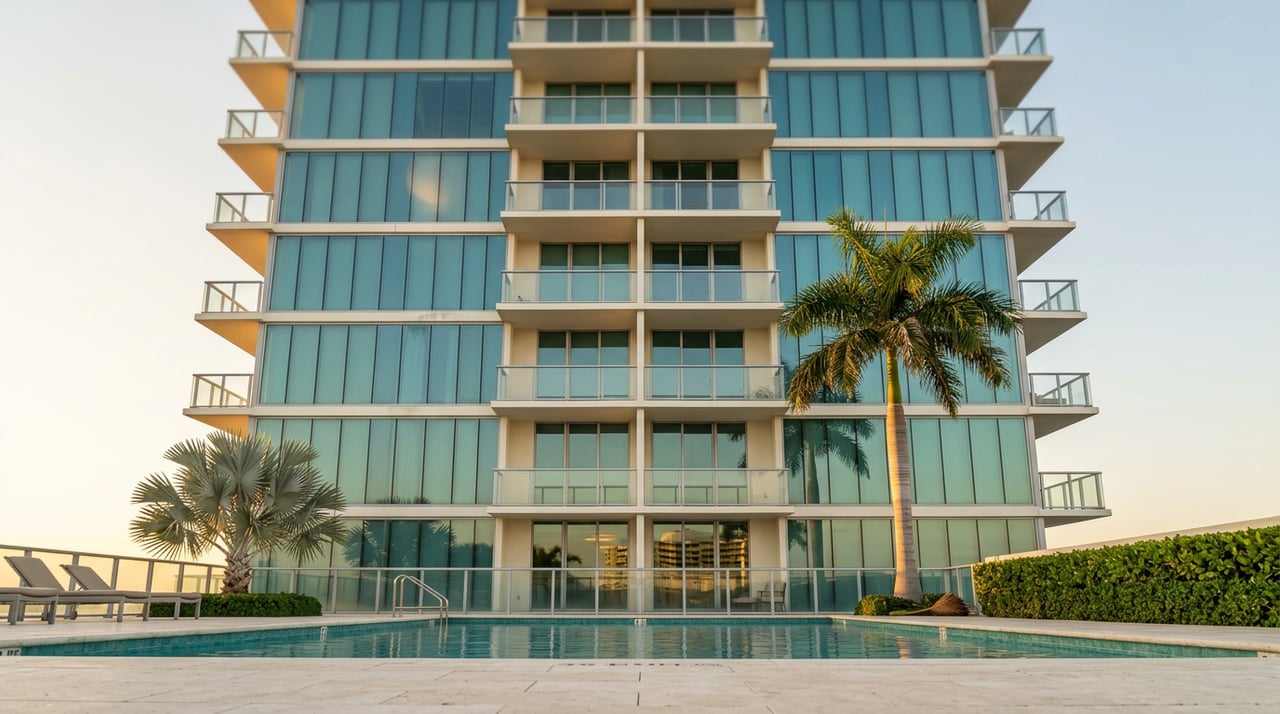
Downtown homes lean toward towers and condos
If you are shopping downtown, expect a housing mix shaped by density and mixed-use growth. The city describes the Downtown Core as a mixed-use central business district that encourages high-density housing along with commercial, entertainment, office, and civic uses.
In plain English, that often means condos, apartments, and tower living come first. If you want lock-and-leave convenience, building amenities, and a more urban residential setup, downtown inventory may align well with your goals.
Waterfront homes lean more residential
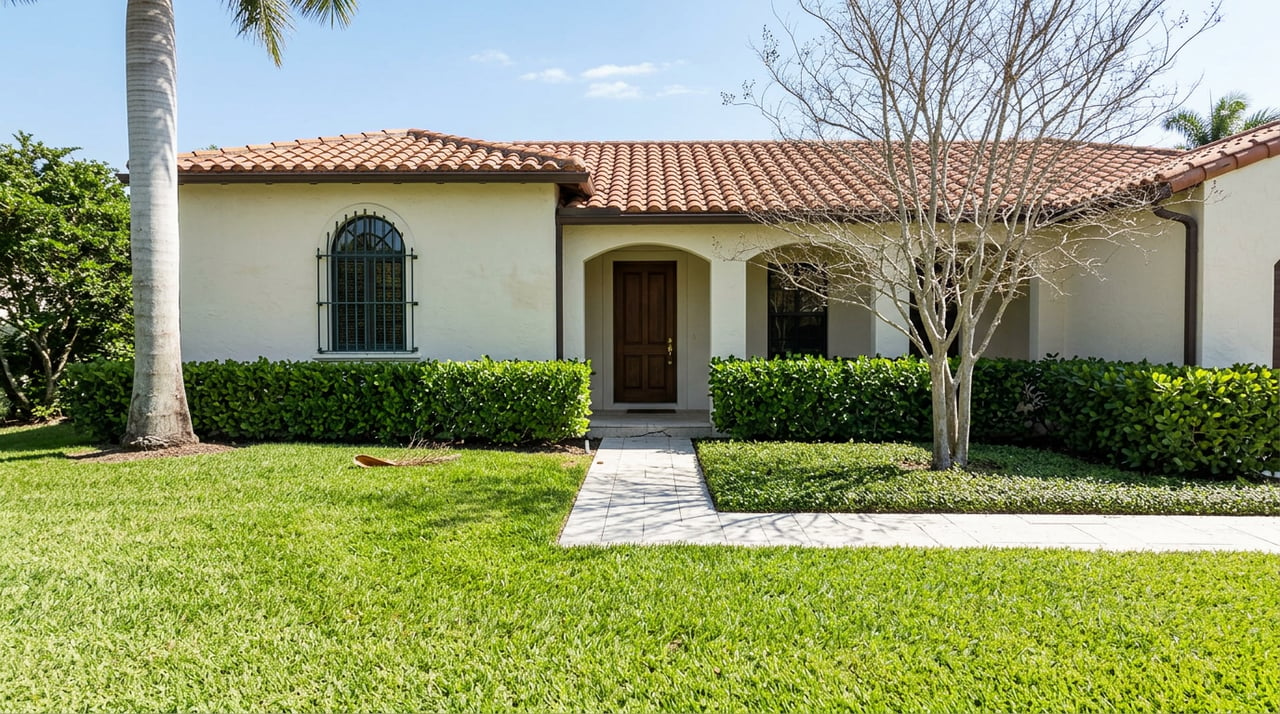
Waterfront inventory usually reads differently. Buyers will often see canal-front single-family homes, established residential areas, and select pockets of waterfront condo options rather than a skyline-first environment.
That distinction matters if you are comparing space, privacy, and day-to-day feel. Waterfront living often offers a more neighborhood-oriented experience, while downtown is more likely to feel vertical, mixed-use, and fast-paced.
Lifestyle amenities: culture versus boating
Downtown shines for arts and dining
If your ideal weekend includes museums, performances, restaurants, and public gathering spaces, downtown has a strong case. The city highlights major venues such as the Broward Center, NSU Art Museum, Riverwalk Arts & Entertainment District, and Museum of Discovery and Science.
Riverwalk Fort Lauderdale describes the district as a 3-square-mile area with a 2.5-mile linear walk and ten parks, which adds another layer to downtown living. There is also ongoing public investment in the corridor experience, including a Las Olas Boulevard mobility project approved in February 2026 to improve pedestrian comfort, safety, shade, and street life.
For dining, downtown gives you the benefit of spontaneity. Places linked by the Las Olas corridor and services like Las Olas Link make it easier to step out for shopping, dining, and museums without planning your whole day around a drive.
Waterfront stands out for dock-and-dine living
Waterfront Fort Lauderdale offers a different kind of convenience. Here, dining and recreation often connect directly to the water, which makes the lifestyle feel more immersive.
Visit Lauderdale highlights dock-and-dine restaurants in Greater Fort Lauderdale such as 15th Street Fisheries, Billy’s Stone Crab, Coconuts, Blue Moon Fish Co., and The Wharf. In some cases, access by boat is part of the appeal, not just a bonus.
If you value views, marinas, and the ability to make the water part of your normal routine, waterfront areas deliver something downtown typically cannot. It is less about being in the center of the city and more about living in direct connection with Fort Lauderdale’s marine culture.
Commute and access considerations
Your choice may also come down to how you need to move through South Florida. Downtown makes regional access easier for many buyers, especially if rail and central road connections matter.
According to Broward Center directions and access information, the area benefits from I-95 and US 1 access, while Brightline creates direct connections to Miami and West Palm Beach. Combined with Downtown Link, Las Olas Link, and Beach Link, that gives downtown residents more tools to reduce car dependence.
Waterfront residents can still access city amenities and use water-based options like the trolley for certain trips, but the lifestyle is generally less transit-centered. If your routine depends on frequent commuting, downtown often offers more practical flexibility.
Costs beyond the purchase price
Waterfront homes can carry added responsibilities that buyers should understand early. These are not reasons to avoid waterfront property, but they are important to factor into your decision.
The city notes that elevation certificates may be required for new construction and substantial improvements. It also states that flood insurance is required for buildings in mapped Special Flood Hazard Areas when there is a government-backed mortgage.
The same city information also points to ongoing resiliency work in waterfront areas such as Las Olas Isles, including seawall and undergrounding projects aimed at addressing tidal flooding and sea-level-rise impacts. For buyers, this means waterfront ownership can involve a different level of planning, upkeep, and long-term cost awareness.
Downtown living may reduce some of those water-specific ownership concerns, though condo buyers should still evaluate association rules, fees, and building conditions carefully. The right fit depends on whether you want lower-maintenance convenience or direct water access with more moving parts.
Which lifestyle fits you best?
If you are still deciding, a simple side-by-side view can help.
| Lifestyle Priority | Downtown Fort Lauderdale | Waterfront Fort Lauderdale |
|---|---|---|
| Daily routine | Walkable, transit-friendly, amenity-dense | Residential, water-focused, boating-oriented |
| Typical housing | Condos, apartments, mixed-use towers | Canal-front homes, residential pockets, some condos |
| Best for | Buyers who want convenience, arts, dining, and less driving | Buyers who want views, dockage, boating, and a water-first lifestyle |
| Commute style | Better for rail, shuttles, walking, and biking | More car- and boat-oriented depending on location |
| Ownership considerations | Often condo rules and fees | May include flood, seawall, and maintenance considerations |
The good news is that this is not only about price point. It is about how you want your everyday life to feel. Some buyers light up when they imagine stepping out to Riverwalk, Brightline, and Las Olas. Others know right away that their ideal home starts with a canal, a dock, and a view.
At Premier Palm Beach, the goal is to help you weigh both the lifestyle and the financial side of the decision so you can move forward with clarity. If you are exploring Fort Lauderdale waterfront or downtown options, connect with Jamaal Gill for tailored guidance built around how you want to live and what you want your purchase to accomplish.
FAQs
What is the main difference between downtown and waterfront living in Fort Lauderdale?
- Downtown Fort Lauderdale is generally better for walkability, arts, dining, and transit access, while waterfront Fort Lauderdale is typically better for boating, dockage, water views, and a more residential routine.
Is downtown Fort Lauderdale easier for commuting around South Florida?
- Yes. Downtown has stronger access to Brightline, shuttle routes, walkable destinations, and major roads like I-95 and US 1, which can make commuting easier for many buyers.
What types of homes are most common in downtown Fort Lauderdale?
- Downtown Fort Lauderdale is most commonly associated with condos, apartments, and mixed-use tower living because of its high-density central business district zoning pattern.
What types of homes are most common in Fort Lauderdale waterfront areas?
- Waterfront areas in Fort Lauderdale are more commonly associated with canal-front single-family homes, established residential neighborhoods, and smaller pockets of waterfront condos.
What extra costs should buyers consider with Fort Lauderdale waterfront homes?
- Buyers should be prepared to look at flood insurance requirements, elevation certificate rules for certain projects, and waterfront resilience or maintenance issues such as seawalls and related infrastructure.
Are there waterfront Fort Lauderdale neighborhoods close to downtown?
- Yes. The city identifies Rio Vista as a waterfront area near downtown and the beach, showing that some waterfront neighborhoods offer a residential setting without feeling far from the urban core.