Thinking about selling your home in Coral Springs but not sure where to start? You are not alone. Between pricing, prep, disclosures, and changing market rules, the details can feel overwhelming. This guide gives you a clear, step‑by‑step plan tailored to Coral Springs so you can launch strong, negotiate confidently, and close on time. Let’s dive in.
Understand the Coral Springs market
Recent trackers put typical Coral Springs home values in the mid‑$500Ks to low‑$600Ks, with timing and demand that vary by neighborhood and property type. City data shows single‑family prices often run above Broward County medians, while condos and townhomes move at different speeds. You will want to watch city and zip‑level metrics and compare similar homes in your immediate area. For a data anchor, review city tables in the Broward Local Residential Market Metrics from Miami Realtors to see how Coral Springs stacks up. You can use the Broward Local Residential Market Metrics to frame expectations.
Step 1: Prepare your home to shine
Your goal is to reduce buyer friction and maximize first impressions. Start with a deep clean and decluttering to make rooms feel open. Tackle safety and system repairs first, then address any cosmetic touch ups. If your home is older or you have questions about condition, consider a pre‑listing inspection. A pre‑listing inspection helps you find defects early, decide what to fix versus disclose, and avoid last‑minute renegotiations. See why many sellers opt for this approach in this home‑inspection guide.
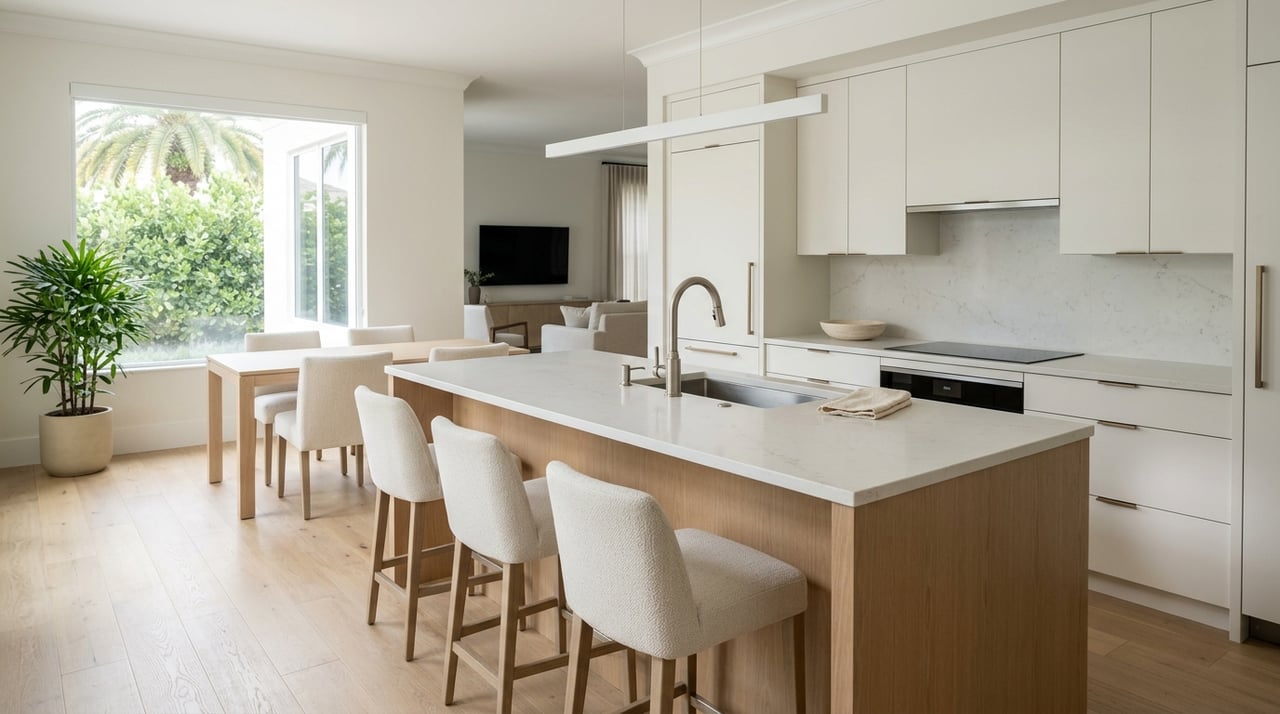
Staging and photography are high‑ROI moves. NAR’s 2025 Profile of Home Staging links staging with shorter time on market and stronger offers in many cases. Focus on the living room, primary bedroom, and kitchen for the biggest impact, and invest in professional photography with mobile‑friendly hero images. For data‑backed tips, review the 2025 NAR Profile of Home Staging.
Step 2: Nail the price from day one
The first 72 hours matter. Build a CMA that compares: 1) closed sales from the last 3 months, 2) pending contracts, and 3) active competing listings in your same neighborhood and price tier. Pay attention to days on market and list‑to‑sold ratios for those comps. Pricing precisely attracts early showings and improves your chances of receiving clean, competitive offers.
Step 3: List and launch with a plan
Your listing should go live on the MLS with high‑quality photos, a clear factsheet, and if possible, a floor plan or virtual tour. Promote across brokerage channels, targeted social ads, and open houses or agent previews when it fits your property and schedule.
Know the 2024 industry changes around buyer‑agent compensation. After a national settlement, MLS fields no longer advertise offers of compensation to buyer agents. Sellers and their listing agents can still choose to offer compensation or credits that help buyers with costs, but the approach is now a strategic conversation. Learn what changed and how it may affect your negotiation plan in NAR’s summary of the 2024 settlement.
Step 4: Manage showings and feedback
Make showings easy. Use a clear approval window, turn on lights, and set a comfortable temperature. Secure valuables and sensitive documents. Ask your agent to gather structured feedback so you can adjust quickly if buyers repeatedly flag the same concern. Small fixes early can prevent price reductions later.
Step 5: Evaluate and negotiate offers
Look beyond price. Create a simple scorecard that weighs net proceeds, financing type, closing timeline, contingencies, earnest money, and the buyer’s qualification strength. In Florida, common contingencies include inspection, financing, appraisal and title, and any HOA estoppel review. If you receive multiple offers, consider setting an offer deadline or requesting best and final terms. You can also use concessions strategically, such as a credit toward buyer closing costs or covering a short repair list, to keep a solid deal on track. Discuss whether to offer any contribution toward a buyer’s agent as part of your broader strategy.
Step 6: From contract to close
Plan for 30 to 45 days for a financed purchase if appraisal and underwriting stay on time. Cash buyers often close faster, sometimes in 7 to 21 days. Timelines depend on title work, appraisal scheduling, HOA documents, and lender requirements. For a quick overview of typical closing windows, see this plain‑English summary of conventional loan timelines.
Know your Florida disclosures
Florida added new seller rules that you should understand before you list.
- Flood disclosure: Florida law requires a written Flood Disclosure at or before contract execution, effective October 1, 2024. The form asks whether you have filed flood damage claims or received federal flood assistance and includes a flood‑insurance disclaimer. Review the statute in Chapter 689 of the Florida Statutes.
- Sanitary sewer lateral: You must disclose known defects in the property’s sanitary sewer lateral to a prospective buyer before signing a contract. See Chapter 689 provisions in the Florida Statutes.
- Sinkhole claims: If a sinkhole claim was paid on the property, disclose that fact and whether proceeds were used for repairs. Check your property records and insurance history.
- General duty: Florida practice also requires disclosing known, material latent defects that are not readily observable and that materially affect value. Your agent can provide a standard seller’s property condition form to capture these items.
Proactive, accurate disclosures build trust and reduce post‑inspection friction.
Plan your seller costs and net
Every contract is different, but many Florida sellers can expect these possible costs at closing:
- Real estate commission, which is negotiable.
- Documentary stamp tax on the deed. In most Florida counties outside Miami‑Dade, this is $0.70 per $100 of sale price. See the state’s guidance on doc stamps from the Florida Department of Revenue.
- Owner’s title policy, customarily a seller expense in many Florida markets.
- Prorated property taxes and any outstanding municipal utility balances.
- HOA or condo estoppel and transfer fees if applicable.
- Payoff of any mortgages or liens.
For a practical overview, you can skim this Florida seller closing cost breakdown, which outlines common line items and who typically pays them. See the Florida seller closing cost guide.
Sample net proceeds snapshot (for illustration only)
- Sale price: 600,000 dollars
- Commission example at 6 percent (negotiable): 36,000 dollars
- Florida deed doc stamps at 0.70 percent: 4,200 dollars
- Estimated owner’s title policy: 3,000 dollars (varies)
- Estimated prorated taxes and HOA estoppel: 3,450 dollars total (varies)
Estimated net before mortgage payoff: about 553,350 dollars. These are estimates only. Always confirm exact figures with your title or closing agent.
HOA and condo documents
If your home is in an HOA or a condo association, plan ahead. The buyer’s title company will request an estoppel letter that lists assessments, delinquencies, and important association data. Management offices often require a fee and have a defined turnaround time. Ordering early avoids closing delays. For context on estoppel fees as a common seller cost, review the Florida seller closing cost guide.
Broward taxes and homestead timing
If your Coral Springs home is your homestead, be aware of proration at closing and how removing homestead can affect your final bills. Broward County resources also outline exemptions and key dates, including the March 1 deadline for new homestead applications. For details and links to county resources, start with the Broward County Property Appraiser.
Insurance questions buyers may ask
Insurance underwriting can affect buyer approvals and timing. In South Florida, lenders often require wind and flood coverage, and older roofs or prior water claims can trigger underwriting questions. Being ready with roof ages, permit records, and any prior claim documentation keeps your deal moving. For current consumer guidance on property insurance changes in Florida, visit the Florida CFO’s resource page.
When to list in Coral Springs
South Florida sees steady buyer activity from fall through spring, although inventory and affordability drive results more than the calendar. What matters most is launching with the right price and polished presentation when competing homes are limited. Monitor weekly local MLS activity and adjust your timing to catch low‑supply windows.
Your Coral Springs seller checklist
- Declutter, deep clean, and complete safety or major system repairs.
- Consider a pre‑listing inspection to reduce surprises.
- Stage high‑impact rooms and book professional photography.
- Gather permits, warranties, and HOA or condo documents.
- Build a data‑driven price strategy with a tight CMA.
- Launch on the MLS with a strong factsheet and clear highlights.
- Set showing rules, collect feedback, and adjust early if needed.
- Compare offer terms beyond price, then choose a clean path to close.
- Deliver required Florida disclosures at or before contract signing.
- Coordinate appraisal, title, HOA estoppel, and insurance questions quickly.
Selling your Coral Springs home is a major move, and you deserve a plan that blends polished marketing with smart numbers. If you want a precise CMA, a clear net‑sheet, or a launch plan tailored to your neighborhood, connect with Jamaal Gill for boutique, data‑driven guidance. Prefer to start with numbers? Get your instant home valuation and see where you stand today.
FAQs
How long does a Coral Springs home sale usually take?
- Most financed transactions close in about 30 to 45 days, while cash can close in 7 to 21 days if title and HOA documents are ready, based on this conventional loan timeline overview.
What closing costs should Coral Springs sellers expect?
- Typical items include a negotiable commission, Florida deed doc stamps at 0.70 percent, owner’s title policy, prorated taxes, HOA estoppel fees, and any agreed credits; see this Florida seller closing cost guide and the state’s doc stamp guidance.
Do Florida sellers have to disclose flood history or claims?
- Yes, Florida requires a written Flood Disclosure at or before contract signing as of October 1, 2024, and you must disclose known sanitary sewer lateral defects and any paid sinkhole claims; review Chapter 689 of the Florida Statutes.
Is staging worth it for a Coral Springs listing?
- Often yes; NAR research shows staging can reduce time on market and improve offer quality, especially when you focus on the living room, primary bedroom, and kitchen, according to the 2025 NAR staging report.
How should I set my list price to attract strong offers?
- Build a CMA using recent closed sales, pendings, and active competitors in your micro‑area, then weigh days on market and list‑to‑sold ratios to pinpoint a realistic launch price.
What changed about buyer’s agent commissions in 2024?
- MLS fields no longer display offers of compensation to buyer brokers, and buyers now sign representation agreements more consistently; you can still choose to offer compensation or credits as a strategic decision, per NAR’s settlement overview.