Trying to choose between Parkland and Coral Springs? If you are narrowing down where to live in northwest Broward, this decision often comes down to more than price alone. You want a neighborhood that fits your daily routine, housing goals, and long-term plans, and that is exactly what this guide will help you sort through. Let’s dive in.
Parkland vs Coral Springs at a Glance
Parkland and Coral Springs are neighboring suburbs, but they offer different day-to-day experiences. Parkland describes itself as a low-density, predominantly residential city with a park-like atmosphere and a small commercial component. Coral Springs is larger, more built out, and actively working on redevelopment that adds more retail and residential options.
The size difference is noticeable on paper and in person. Current Census estimates place Parkland at 39,186 residents and Coral Springs at 138,783. Parkland covers 14.35 square miles, while Coral Springs spans 23.97 square miles.
If you want a quick summary, Parkland tends to feel quieter and more residential. Coral Springs tends to offer more variety, more built-in convenience, and a wider mix of housing and recreation choices.
Housing Styles and Price Range
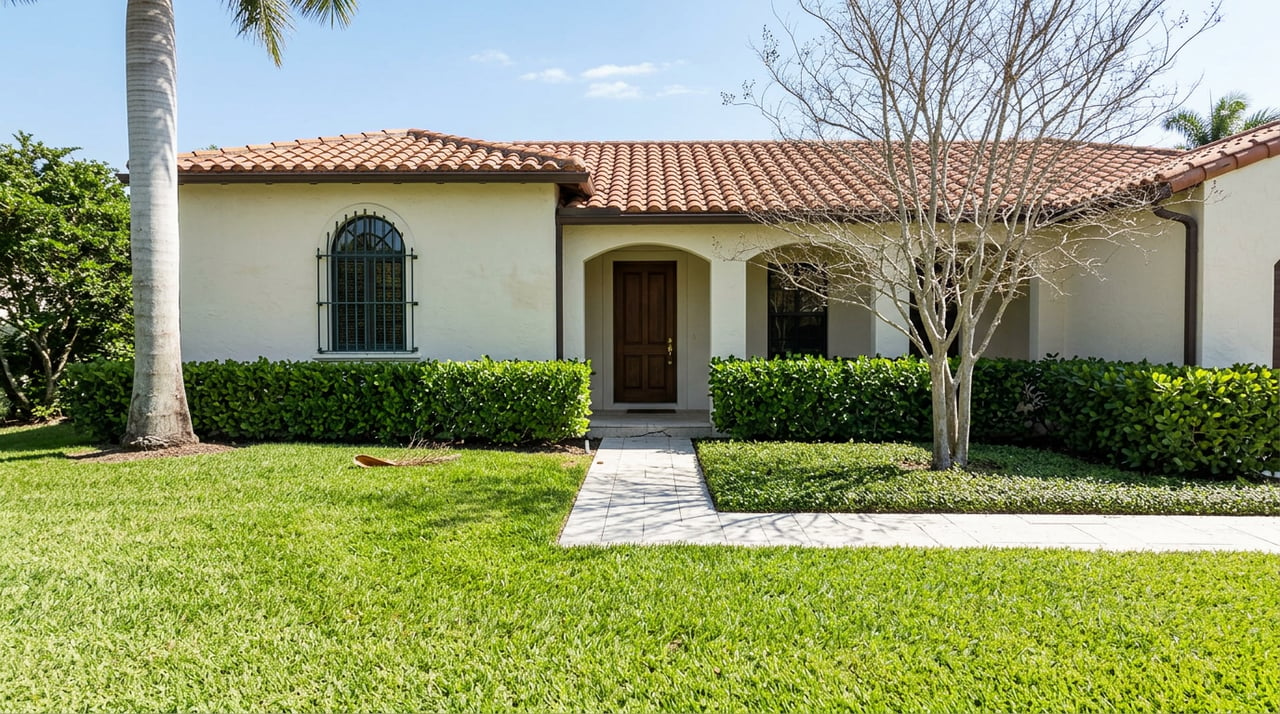
For many buyers, housing stock is where the choice becomes clearer. Parkland is strongly oriented toward detached homes, with the city reporting 92% single-family housing, 3% condominiums, 3% multifamily, and 2% vacant units. The city also notes that it is nearly built out, with limited vacant land left for development.
That housing mix helps explain Parkland’s price position. Over the three months ending April 2026, Redfin reported a median sale price of $1,141,910 in Parkland, up 8.8% year over year. Homes were selling in about 69 days.
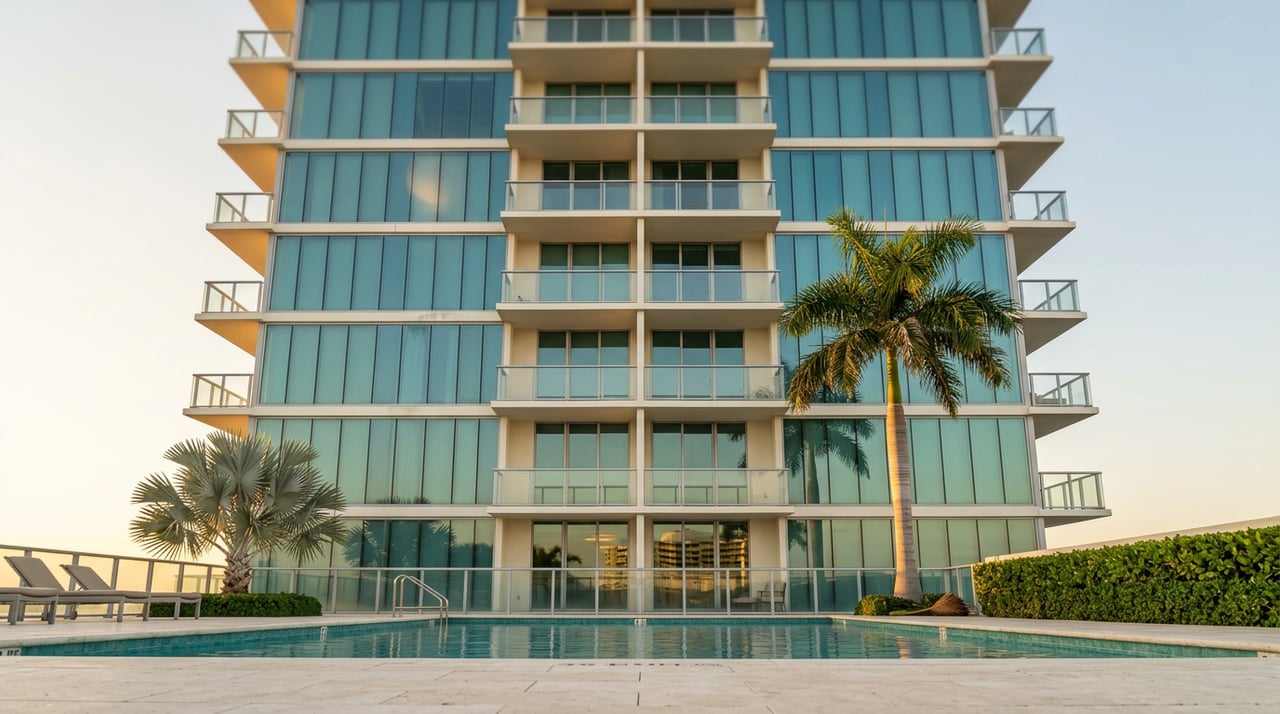
Coral Springs offers a broader housing mix. Its comprehensive plan includes low-density detached single-family homes along with townhouses, attached housing, cluster development, and higher-density multi-story options. That broader range can create more entry points for buyers with different budgets and space needs.
Over the three months ending April 2026, Redfin reported a median sale price of $589,695 in Coral Springs, down 2.0% year over year. Homes were selling in about 70 days. Based on that same measure, Parkland’s median sale price was about 1.94 times higher than Coral Springs.
What that means for you
If you are focused on a detached-home environment with more exclusivity and a higher price point, Parkland may feel like the stronger fit. If you want more housing variety and a lower median price, Coral Springs may give you more flexibility.
This is also where your long-term goals matter. If you are prioritizing lot size, a lower-density setting, and a predominantly single-family market, Parkland stands out. If you want to compare different home types and price bands within one city, Coral Springs gives you more room to explore.
Commute and Getting Around
Both cities are commuter-oriented, and both rely heavily on major regional roads. In Parkland, the transportation picture centers on corridors like Loxahatchee Road, Hillsboro Boulevard, U.S. 441/S.R. 7, University Drive, and the Sawgrass Expressway. The city also highlights active road projects that include detours, roundabouts, bike lanes, sidewalks, and traffic-calming improvements.
Coral Springs also deals with roadway pressure, but it offers an extra layer of local mobility. The Coral Springs Community Shuttle Bus is free for residents and visitors and runs Blue and Green routes with stops including Coral Square Mall, Sample Road and University Drive, and Sawgrass Expressway and Coral Springs Drive. The city also has a transportation team and a traffic-calming program focused on neighborhood streets.
Commute times are fairly close. Parkland’s mean commute time is 32.5 minutes, while Coral Springs comes in at 29.9 minutes. Neither difference is dramatic, but Coral Springs does offer slightly shorter average commute times along with more local transit support.
Which city is easier day to day?
If you expect to drive most places and want a quieter residential layout, Parkland may feel straightforward. If you like having more transportation options for local errands and activities, Coral Springs has more built-in support.
That difference can shape your routine in subtle ways. A free community shuttle, more concentrated services, and a larger city footprint can make Coral Springs feel more connected for everyday errands. Parkland, by comparison, is more centered on residential living and regional road access.
Parks, Recreation, and Lifestyle
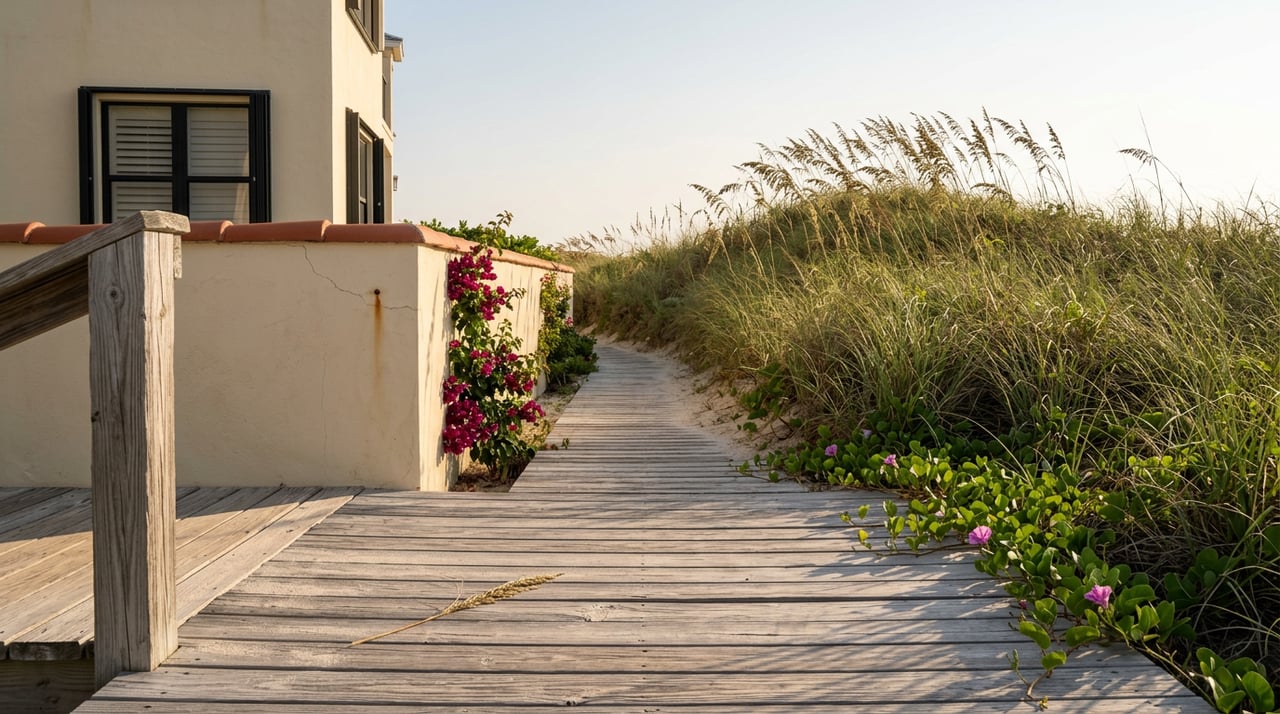
Parkland’s identity is closely tied to open space and recreation. The city lists 11 parks and reserves, along with scenic pathways, trails, the Equestrian Center at Temple Park, and Barkland Dog Park. It also runs a seasonal farmers’ market at the Equestrian Center.
If outdoor space matters to you, Parkland’s appeal is easy to understand. The city emphasizes protecting its natural environment and preserving its unique community character. That adds to the sense of a lower-density, more park-focused setting.
Coral Springs offers a larger and broader recreation system. The city maintains 49 parks and features amenities such as the Aquatic Complex, Tennis Center, gymnasium, skate park, dog park, summer camps, and after-school programs. The Aquatic Complex alone attracts more than 600,000 visitors each year.
For buyers comparing everyday lifestyle, this is one of the biggest contrasts. Parkland leans into parks, trails, and a quieter suburban rhythm. Coral Springs offers a wider range of recreation choices and more city-run amenities packed into daily life.
Convenience and Everyday Services
Convenience often becomes the tie-breaker when two cities seem close in location. Coral Springs appears to offer more services and amenities within its borders, supported by its free community shuttle, weekend waste transfer station, and downtown redevelopment activity at Cornerstone Plaza and related projects. Those efforts point to a city with more concentrated shopping, dining, entertainment, and civic services.
Parkland’s convenience profile is different. Based on city materials, it is more residential and recreation-oriented than retail-heavy. That can be a positive if you prefer a more tucked-away suburban environment and do not mind driving for a broader mix of shops or services.
Think about your weekly routine
Ask yourself a few practical questions:
- Do you want more nearby retail and civic convenience?
- Do you prefer a quieter, more residential setting?
- Are parks and trails a daily priority?
- Do you want more housing choices within one city?
- Are you comfortable with a more car-dependent routine?
Your answers will usually point you in the right direction faster than a simple price comparison.
Who Parkland May Suit Best
Parkland may be the better fit if you are looking for a mostly single-family environment with a lower-density feel. It can also appeal to buyers who value open space, trails, parks, and a more residential atmosphere. If your goal is to live in a city that feels quieter and more upscale in its housing profile, Parkland checks those boxes.
Because the city is nearly built out and heavily weighted toward detached homes, inventory can feel more specialized. That is useful to know if you want a very specific type of property and are prepared for a higher median price point. In many cases, Parkland is a lifestyle choice as much as a housing choice.
Who Coral Springs May Suit Best
Coral Springs may be the better fit if you want more options. The city’s broader housing mix can work well for buyers comparing single-family homes, attached homes, townhouses, or other formats. It may also appeal to buyers who want somewhat lower entry pricing and more built-in convenience.
The larger recreation system is another plus. If you want access to more city amenities, activity centers, and transportation support, Coral Springs brings more of that into everyday living. For many buyers, it offers a balance of suburb-style living with a more developed service and retail base.
How to Choose Where to Tour First
If you are still deciding, start with the tradeoff at the center of this comparison. Parkland offers more exclusivity, more detached-home orientation, and a lower-density setting. Coral Springs offers more housing variety, more urbanized convenience, and a broader set of recreation and transportation options.
A practical way to move forward is to tour both with a clear checklist. Compare the streetscape, housing style, driving patterns, nearby amenities, and how each city feels during a normal weekday. What looks similar on a map can feel very different once you spend time there.
The right choice depends on how you want to live, not just what you want to buy. If you want help weighing price, property type, and long-term value across Broward neighborhoods, Jamaal Gill can help you compare your options with a clear, data-driven approach.
FAQs
What is the main difference between Parkland and Coral Springs?
- Parkland is generally more low-density and single-family focused, while Coral Springs offers more housing variety, more city amenities, and a larger built-out footprint.
Is Parkland more expensive than Coral Springs?
- Yes. Over the three months ending April 2026, the median sale price was $1,141,910 in Parkland compared with $589,695 in Coral Springs.
Does Coral Springs have more housing options than Parkland?
- Yes. Coral Springs’ comprehensive plan includes detached homes, attached housing, townhouses, cluster development, and higher-density multi-story housing, while Parkland is overwhelmingly single-family.
Which city has more parks, Parkland or Coral Springs?
- Coral Springs has more parks overall, with 49 parks compared with Parkland’s 11 parks and reserves.
Is commuting similar in Parkland and Coral Springs?
- Commute times are fairly close, with mean commute times of 32.5 minutes in Parkland and 29.9 minutes in Coral Springs.
Does Coral Springs offer public transit for local trips?
- Coral Springs offers a free Community Shuttle Bus for residents and visitors, while Parkland’s transportation profile is more centered on major roads and driving corridors.