Trying to choose between an oceanfront condo and a bayfront condo in Miami Beach? You are not alone. Each side offers a distinct lifestyle, set of costs, and long-term considerations that affect both enjoyment and resale. In this guide, you will learn how the two options differ on views, amenities, risk, insurance, rental rules, and investor metrics so you can compare specific buildings with confidence. Let’s dive in.
Oceanfront lifestyle: what to expect
Views and orientation
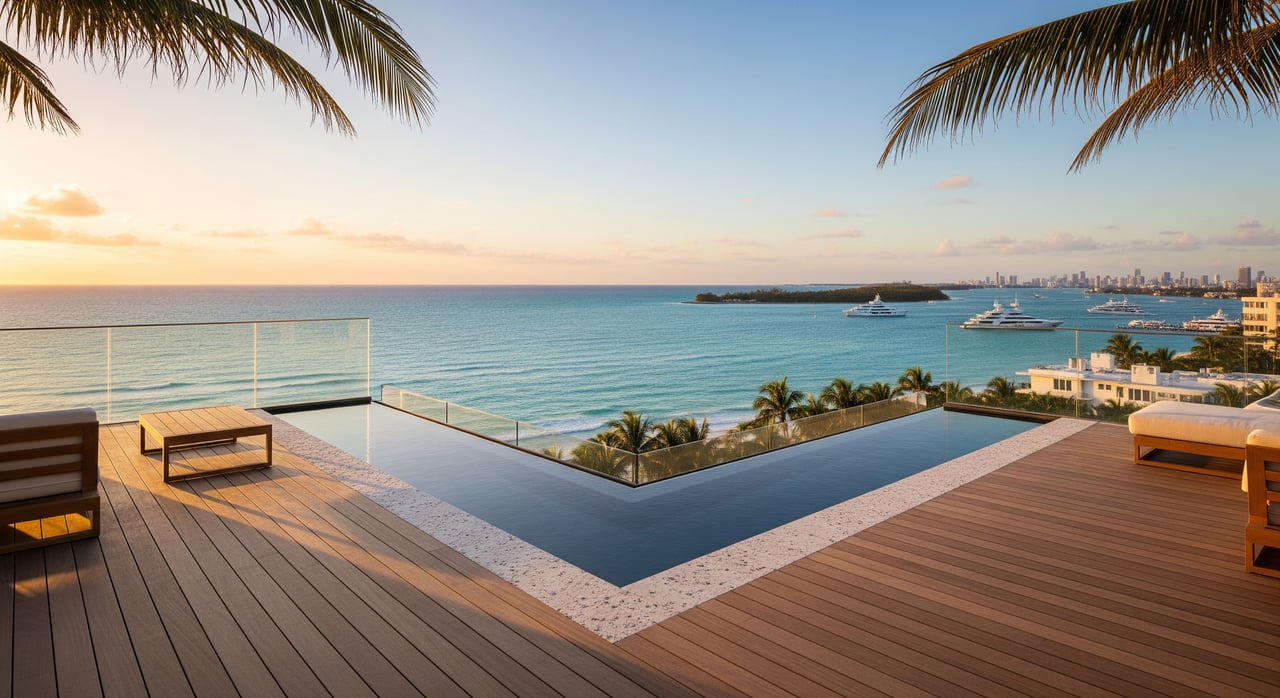
Oceanfront units face the Atlantic with wide-open horizons and sunrise views. You will hear waves and feel steady ocean breezes, especially on higher floors. Direct ocean views often command a premium per square foot, particularly in South Beach and Mid-Beach luxury buildings.
Beach access and recreation
You get direct beach access for swimming, running, and ocean sports. Surf conditions vary, but you are steps from the sand. Oceanfront buildings do not offer private boat docks, so boating typically means using nearby marinas on the bay or mainland.
Noise and activity
The ocean side can feel serene from a boating perspective, but popular South Beach areas bring pedestrian traffic, events, and nightlife nearby. Wind and sea noise can be noticeable on exposed floors. Expect Collins Avenue traffic patterns to influence convenience and noise during peak times.
Building features
Oceanfront towers often highlight beach service, ocean-facing pools, and resort-style amenities. Balconies are designed for water views, with finishes that emphasize indoor-outdoor living. Maintenance teams focus on protecting exterior elements from salt and wind.
Bayfront lifestyle: what to expect
Views and sunsets
Bayfront condos look west across Biscayne Bay toward the downtown Miami skyline. Sunsets over the water can be spectacular, and you may see cruise ships and port activity depending on your line of sight. Many buyers value the skyline and evening orientation.
Water access and boating
You often get calmer water suited for paddleboarding and kayaking. Many bayfront buildings or complexes offer private docks or direct marina access, which is a major advantage if you own a boat or plan to. Swimming conditions are generally calmer than the ocean side.
Noise and activity
Boat engines, horns, and port sounds can be part of the ambiance, though many bayfront pockets feel sheltered and quiet. Proximity to causeways and the mainland can ease access to shopping and events. Walkability varies by neighborhood and building.
Building features
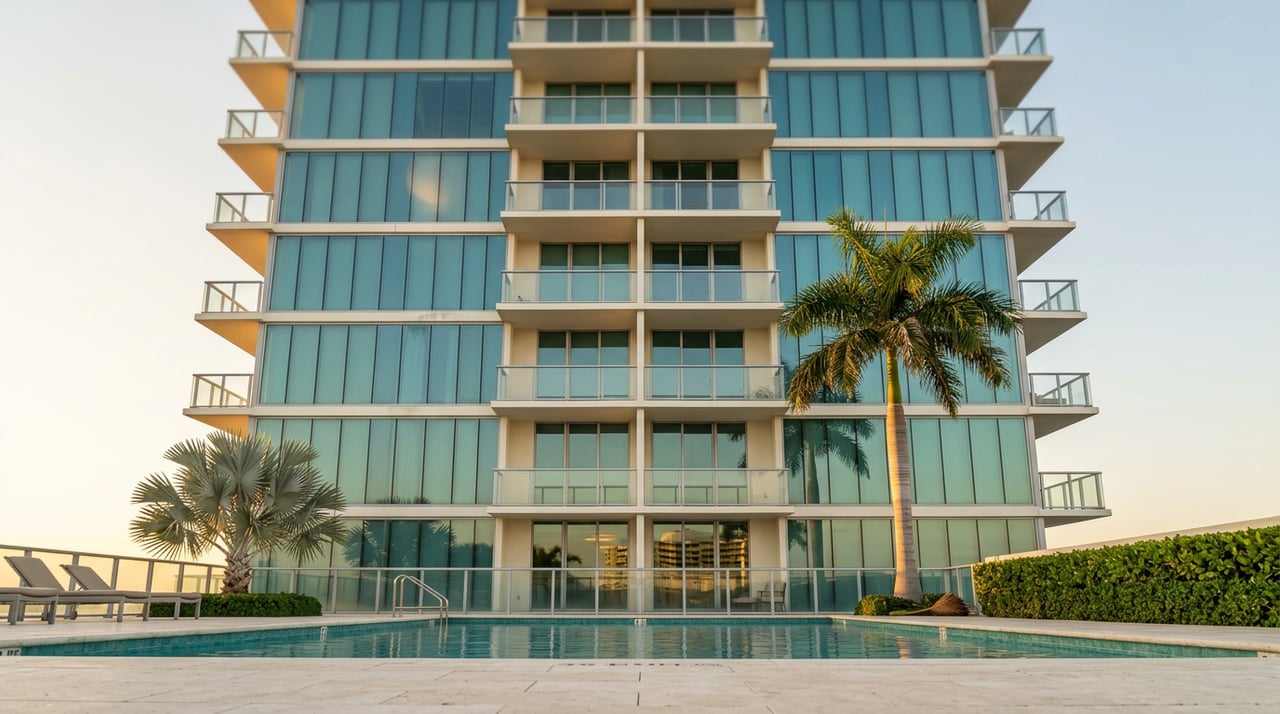
Expect seawalls, waterfront promenades, calm-water pools, and sometimes larger terraces for skyline viewing. Marina facilities and dock management add value and operating complexity. Buildings balance lifestyle amenities with maintenance of marine infrastructure.
Market, pricing, and resale
What drives premiums
Direct beach frontage and unobstructed ocean views typically command higher prices per square foot in many segments, especially South Beach and Mid-Beach. Bayfront premiums are influenced by transferable docking, skyline views, and generous terraces. Your unit’s floor, orientation, and the building’s reputation can shift pricing materially.
Demand patterns
Oceanfront units attract vacation-focused buyers and renters who prioritize the beach. Bayfront units appeal to boaters and those who prefer calmer water and sunset views. Both sides draw long-term tenants, but the lifestyle fit is the main driver of demand.
Resale and liquidity
Oceanfront residences benefit from perceived scarcity of beachfront and strong lifestyle appeal. Still, new luxury supply in some micro-markets means you should compare building-by-building. Bayfront resale can be strong, especially with well-managed docks, but is sensitive to seawall condition and buyer perceptions about future bay flooding.
Rental potential and rules
Short-term rental demand has historically been strong for South Beach oceanfront, but city regulations and HOA policies can restrict or prohibit vacation rentals in many buildings and zones. Long-term rentals exist on both sides. Always confirm building rental policies and local licensing requirements before you underwrite income.
Risk and carrying costs in Miami Beach
Flood zones and elevation
Miami Beach includes FEMA high-risk coastal zones, including VE and AE. VE zones involve wave action and often carry stricter building requirements and higher flood premiums than AE. Both oceanfront and bayfront properties can sit in high-risk areas, so verify the specific parcel’s FEMA flood zone, Base Flood Elevation, and the building’s finished floor elevation.
Insurance considerations
Expect separate coverage for windstorm and flood, with rising premiums common across Florida coastal markets. Properties in VE zones or at lower elevations typically face higher flood costs and deductibles. Obtain quotes early from brokers experienced with Miami-Dade coastal condos, and ask for both NFIP and private market options.
Building condition and assessments
Salt air accelerates corrosion, impacting façades, balconies, and mechanical systems. After the 2021 Surfside collapse, structural inspections, reserve studies, and recertification timelines received heightened scrutiny. Review recent engineering reports, recertification status, reserves, and any proposed or pending special assessments for repairs or resiliency upgrades.
Sea level rise and nuisance flooding
Local plans and studies show measurable sea level rise and more frequent tidal flooding. Bayfront areas can face inland flooding and drainage issues, while oceanfront locations are exposed to wave action and storm surge. The City of Miami Beach has invested in pumps and road elevation projects, but you should factor long-term projections into your hold period and exit strategy.
Taxes, HOA fees, and ongoing costs
Property taxes reflect assessed value, and waterfront addresses can raise assessments. HOAs with marinas and seawalls often carry higher fees, and capital works can result in special assessments. Compare total monthly carrying costs, not just the purchase price.
Oceanfront vs bayfront: quick decision guide
Choose oceanfront if you value:
- Daily beach access and sunrise views.
- Strong lifestyle appeal for vacation use and potential seasonal rentals, subject to rules.
- A resort-style amenity set centered on sand and surf.
Choose bayfront if you value:
- Private docking or easy marina access for boating.
- Sunset and skyline views toward downtown Miami.
- Calmer water for paddling and a more sheltered feel in many pockets.
Investor checklist for comparing two units
Use this side-by-side framework when you tour or underwrite options:
- Basic property metrics
- Address, floor, and exact orientation (east, west, north, south).
- Square footage, bedroom/bath count, balcony size.
- View specifics: direct ocean, partial ocean, bay, skyline, or port.
- Flood and structural risk
- FEMA flood zone (VE, AE, X) and Base Flood Elevation.
- Building age, last structural recertification, and recent major repairs.
- Seawall condition for bayfront and any pending capital projects.
- Insurance and carrying costs
- Estimated annual wind and flood premiums with deductibles.
- HOA fee and what it covers, including insurance components and reserves.
- Property tax estimate and recent assessment history.
- HOA financials and rules
- Current reserve study and percent funded.
- Rental policy, minimum lease terms, and any caps.
- Pet rules, parking, and subletting limits.
- Amenities and operations
- Beach access type, pool/spa, fitness, security, and staffing.
- Dock availability, slip sizes, transfer rules, waitlists, and fees.
- Onsite management quality and any visible deferred maintenance.
- Market and resale signals
- Recent comparable sales by floor and view, plus days on market.
- Rental occupancy data if available.
- Nearby development that could alter views or demand.
- Climate adaptation factors
- Nearby pump stations, road elevation projects, or seawall upgrades.
- Building participation in resiliency initiatives.
- Historic flooding observations from management and residents.
How to run the numbers
- Estimate annual carrying costs: HOA fees, insurance premiums, property taxes, and a reserve for assessments or capital projects.
- If you plan to rent, underwrite both short-term and long-term scenarios using the building’s rules and the city’s current regulations. Assume rules and premiums can change and stress-test your numbers.
- Compare cap rate or yield after maintenance, insurance, HOA, taxes, and realistic vacancy. Review sensitivity to insurance increases and special assessments.
Local micro-market notes
South Beach, Mid-Beach, and North Beach behave differently for pricing, rental demand, and lifestyle patterns. Proximity to causeways and the Port of Miami can shape bayfront views and activity levels. On the ocean side, street-level energy and event calendars influence noise and seasonal traffic. Always evaluate by building, floor, and orientation rather than broad assumptions.
Next steps
- Shortlist buildings that match your lifestyle: beach service vs docking and marina access.
- Pull parcel-level flood data, confirm elevation, and get insurance quotes early.
- Obtain HOA documents, engineering reports, reserve studies, and rental policies before you write an offer.
- Tour at different times of day to assess wind, noise, traffic, and light.
- If you need a slip, verify availability, fees, and transfer rules with the dock master.
If you want a clear side-by-side comparison of oceanfront and bayfront options tailored to your budget and goals, connect with Jamaal Gill for data-informed guidance and concierge-level service.
FAQs
Are oceanfront Miami Beach condos always more expensive?
- Not always; direct ocean views often carry a premium, but building condition, HOA health, elevation, and flood zone can outweigh view in total cost and resale.
Which side is safer from storms in Miami Beach?
- Safety depends on building elevation, construction, and FEMA flood zone; oceanfront faces wave action while bayfront can see surge and inland flooding.
How do short-term rental rules affect Miami Beach condos?
- City rules and HOA policies can limit or prohibit short-term rentals; verify allowed zones, licensing, minimum stays, and building-specific rules before underwriting.
What should I know about insurance on waterfront condos?
- Expect separate wind and flood policies, higher costs in VE zones or lower elevations, and variable premiums; request multiple quotes early in diligence.
Does a private dock add value to bayfront condos?
- Yes, docking can boost demand and resale, but confirm slip size, transferability, waitlists, fees, and seawall condition to understand the true premium.
How does sea level rise impact buying in Miami Beach?
- Both sides are affected; review elevation, local pump and road projects, and building resiliency plans and factor long-term projections into your hold period.