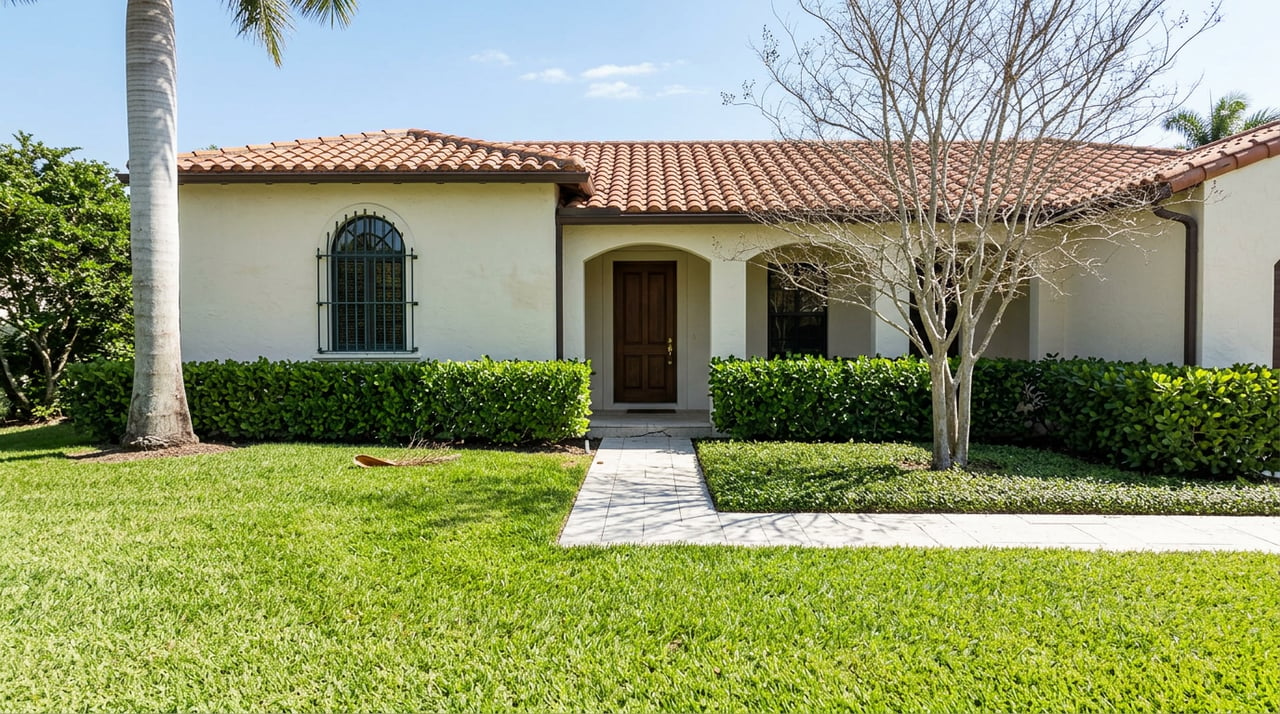
Thinking about trading condo living for more space in Boynton Beach? It can be a smart next step, but it is rarely as simple as selling one property and buying another. Between your condo’s resale timeline, the cost jump to a house, insurance changes, and tax planning, this move works best when you map the numbers first. Let’s dive in.
Why this move needs a plan
A condo-to-house move in Boynton Beach usually means a bigger budget and a longer timeline than many owners expect. Redfin’s Boynton Beach housing data shows homes sell in about 97 days on average, and the market is not very competitive. The same source shows 634 active condo listings at a median listing price of $189,000, while the city’s all-home-types median sale price is $317,500.
That gap matters. If you are moving up from a condo to a house, you are likely looking at a higher purchase price, higher monthly carrying costs, and a resale process that may not move quickly. The good news is that careful planning can help you avoid rushed decisions.
Budget beyond the mortgage
When you move from a condo to a house, the monthly payment is only part of the picture. The Consumer Financial Protection Bureau recommends budgeting for the full monthly cost of ownership, including property taxes, mortgage insurance if applicable, homeowners insurance, flood insurance when needed, HOA fees, maintenance, repairs, and utilities.
That is an important shift for many condo owners. In a condo, some exterior costs and shared upkeep may be handled through the association. In a house, more of those responsibilities usually become yours directly.
Common cost changes to expect
If you are comparing your current condo budget with a future house payment, make sure you account for:
- Property taxes
- Homeowners insurance
- Flood insurance if required
- Mortgage insurance if your down payment is under 20%
- HOA fees, if the house is in a community with an association
- Lawn care and exterior maintenance
- Repairs and replacement reserves
- Higher utility costs
- Closing costs
The CFPB also notes that closing costs typically run about 2% to 5% of the purchase price, not including your down payment. That can significantly affect how much cash you want available for your next purchase.
Insurance changes from condo to house
Insurance is one of the biggest differences in this move. According to the Florida Chief Financial Officer’s homeowners insurance overview, condo owners generally carry HO-6 coverage, which focuses on the interior, personal property, liability, and loss of use. Owner-occupied single-family homes generally use HO-3 coverage, which is broader and protects the dwelling itself.
In simple terms, a house often means you take on more direct responsibility for the structure. That can increase your insurance costs and change what you need to budget each month.
Do not overlook flood insurance
Standard homeowners insurance generally does not cover flooding. The CFPB explains that flood insurance is usually required if a home is in a FEMA-designated Special Flood Hazard Area. Before you commit to a house, check the address through FEMA’s Flood Map Service Center.
This step is especially important in South Florida. Flood zone status can affect both your monthly payment and your long-term comfort with the property.
Selling your condo before you buy
One of the biggest questions is timing. Should you sell first, buy first, or try to line both up at once? In Boynton Beach’s current market, it is usually safer to plan around a slower resale rather than assume your condo will sell right away.
Redfin’s local market data shows that homes in Boynton Beach average about 97 days on market. That does not mean your condo will take exactly that long, but it does support building in a cushion of several weeks to several months.
Documents to gather early
If you own a condo, your sale may involve more than price and presentation. The Florida Department of Business and Professional Regulation explains that certain condominium buildings with three or more habitable stories are subject to milestone inspections and structural integrity reserve study requirements, depending on age and local rules.
Before listing, it is wise to gather:
- Association financial statements
- Reserve study information
- Any pending or recent special assessments
- Recent insurance notices
- Maintenance or inspection updates
- Rules or disclosures a buyer may request
These items can affect buyer confidence, transaction speed, and your net proceeds. If your building has upcoming costs or reserve issues, you will want that information early so you can plan your next purchase with clear numbers.
Estimate your net proceeds carefully
Your condo’s sale price is only the starting point. To estimate how much you can put toward a house, you need to subtract:
- Your mortgage payoff
- Selling costs
- Closing-related expenses
- Any condo-specific payoff items
- Possible assessments tied to the association
This is where many move-up plans succeed or fail. A realistic net sheet helps you understand your down payment options, cash reserves, and whether you are comfortable carrying overlap between the condo and the new house.
Factor in homestead and portability
Property taxes deserve a close look when you move from one Florida primary residence to another. According to the Palm Beach County Property Appraiser, homestead exemption does not transfer automatically when you move. You must file a new application if you move or change title on the existing homestead.
The same county guidance explains that homestead exemption can reduce taxable value by as much as $50,000, and eligible homeowners may benefit from the Save Our Homes assessment limitation. That can make a meaningful difference in your annual tax bill.
Portability may help lower taxes
Palm Beach County also notes that the Save Our Homes portability benefit can be transferred, in whole or in part, up to $500,000. To qualify, the new residence must be established on or before January 1 of the third year after abandoning the previous homestead, and the portability application is due by March 1.
For many condo owners moving into a house, portability is not just a tax detail. It can be a real part of the affordability conversation. If you are comparing payment scenarios, it is worth including this in your planning from the start.
A practical move-up checklist
If you are considering moving from a condo to a house in Boynton Beach, here is a simple framework to follow:
- Check your condo value based on current local market conditions.
- Estimate your net proceeds after payoff and selling costs.
- Review condo association documents for assessments, reserves, and inspection-related updates.
- Build a true house budget that includes taxes, insurance, utilities, repairs, and possible HOA fees.
- Check flood zone status on any home you are considering.
- Review homestead and portability timing before you move.
- Create a realistic transaction timeline with room for a slower resale.
This kind of step-by-step review can help you move with more confidence and fewer surprises.
Why strategy matters in Boynton Beach
Moving from a condo to a house is not only a lifestyle change. It is also a financial reset. In Boynton Beach, the local resale pace, the difference between condo and house pricing, insurance changes, and tax rules all play a role in whether the move feels smooth or stressful.
When you approach the transition with a full budget and timeline in hand, you give yourself better options. You can price your condo more strategically, shop for a house with clearer limits, and make decisions based on facts instead of pressure.
If you are weighing your next move in Boynton Beach, Jamaal Gill can help you evaluate your condo’s likely value, walk through timing scenarios, and build a smarter strategy for your next purchase.
FAQs
What is the biggest financial change when moving from a condo to a house in Boynton Beach?
- The biggest change is usually the full cost of ownership, including taxes, broader homeowners insurance, possible flood insurance, maintenance, repairs, utilities, and closing costs.
How long could it take to sell a Boynton Beach property before buying a house?
- Redfin’s Boynton Beach market data shows homes averaging about 97 days on market, so it is wise to build in a timeline cushion rather than expect an immediate sale.
What condo documents should Boynton Beach sellers gather before listing?
- You should gather association financials, reserve study information, pending special assessment details, insurance notices, and recent maintenance or inspection updates.
How do insurance needs change when moving from a condo to a house in Florida?
- Condo owners generally carry HO-6 coverage, while owner-occupied single-family homes generally use HO-3 coverage, which typically means broader protection for the dwelling and more owner responsibility.
How can Palm Beach County portability affect a move from a condo to a house?
- If you qualify, you may be able to transfer all or part of your Save Our Homes benefit to a new Florida homestead, which can lower the taxable value of your next primary residence.