Eyeing a Brickell condo but unsure how to finance it from abroad? You are not alone. Many international buyers love Brickell’s energy and rental demand, yet the U.S. mortgage process can feel unfamiliar. In this guide, you will learn the main financing options, what lenders actually require, key tax and legal basics, and a step‑by‑step plan to close smoothly. Let’s dive in.
Why Brickell draws foreign buyers
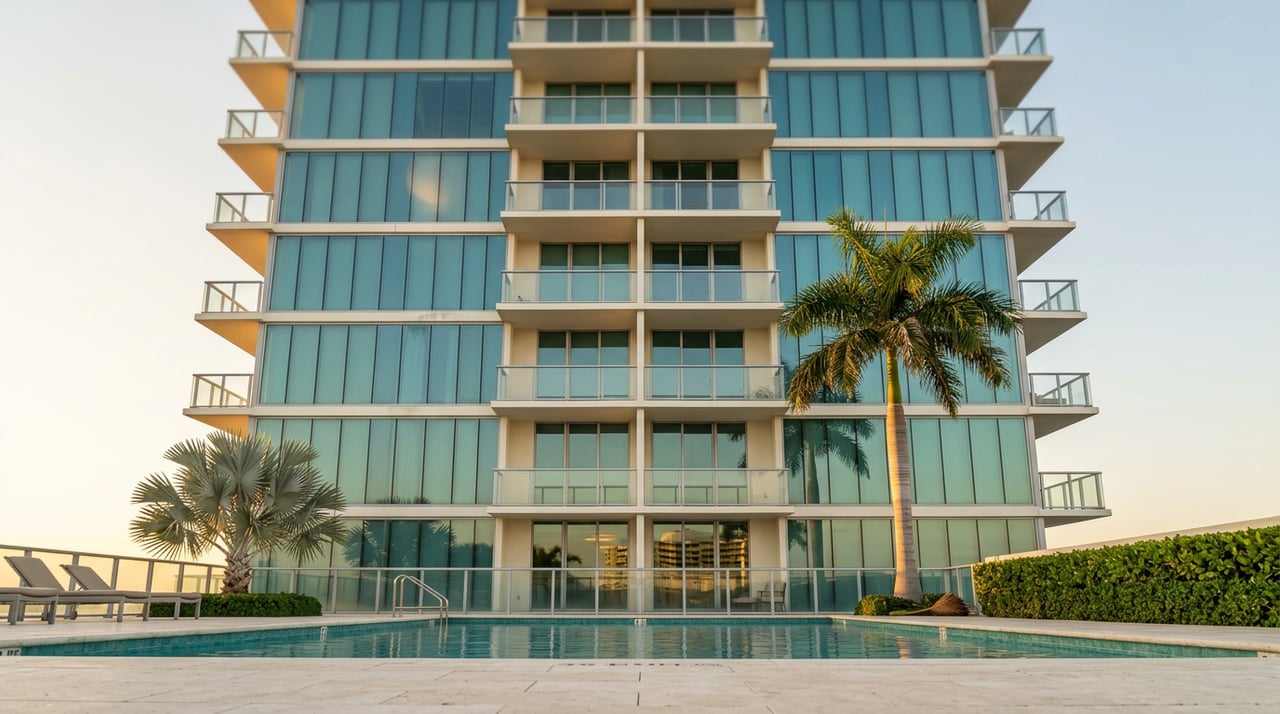
Brickell is Miami’s urban financial hub with a skyline of luxury condos, strong international banking, and steady rental demand. Its location near Downtown, Brickell Key, and the Port of Miami makes it a practical base for work and lifestyle. These factors make Brickell a top choice for international executives, investors, and second‑home buyers.
From a financing point of view, cash deals are common, but many buyers choose mortgages to preserve liquidity. Condo building eligibility also matters because some loan programs have strict project standards. Verifying the building early can save you time and cost later.
Main ways to finance a Brickell condo
Cash purchases
- Fastest closings and simpler negotiations.
- No underwriting or mortgage interest.
- Requires clear source‑of‑funds documentation and careful currency planning.
U.S. “foreign national” mortgage programs
- Many U.S. lenders offer loans for non‑U.S. residents and non‑permanent residents.
- Expect larger down payments and slightly higher rates than typical U.S. borrower programs.
- Lenders often accept foreign bank statements and alternative credit references.
International and cross‑border bank loans
- Some international banks, including those with U.S. branches, may finance your U.S. purchase.
- Useful if you prefer your home‑country banking relationships and documentation.
- Can involve more legal steps and longer timelines.
Portfolio lenders and private banks
- Local or private lenders may keep loans on their books and use flexible underwriting.
- Helpful for complex income or asset profiles.
- Terms vary widely, so early conversations are key.
Bridge and hard‑money loans
- Short‑term, higher‑cost financing to secure a unit quickly or fund improvements.
- Often used by investors planning a refinance or sale.
Seller financing
- Rare in Brickell condo deals but possible if a seller is flexible.
- Terms depend on the seller’s goals and the condo association’s rules.
What lenders look for
Down payment expectations
- Foreign national programs often start in the low‑to‑mid 20 percent range for certain owner‑use scenarios.
- Investment properties commonly require 30 percent or more.
- Requirements vary by lender, loan size, and your overall profile.
Credit and income review
- Some lenders do not require a U.S. credit score and will review international credit reports or bank references.
- Income can be verified with translated and authenticated tax returns, audited financials, employment letters, or bank statements.
- Strong liquidity and reserves can offset limited U.S. credit history.
Reserves and liquidity
- Expect to hold several months of mortgage payments in reserve after closing.
- Reserve requirements tend to be higher for foreign buyers and investors.
Proof and source of funds
- You will document the origin of down payment and closing funds with bank statements and support for transfers.
- Anti‑money‑laundering rules mean banks review large international wires closely.
Identification and status
- A valid passport is standard. Some lenders accept visas or an ITIN for tax filing.
- Visa status does not guarantee owner‑occupant classification for underwriting.
Condo project and appraisal
- Standard appraisal and title insurance apply.
- Lenders will review the condo project’s legal documents, budget, reserves, and owner‑occupancy mix.
- If a building is not eligible for a conventional program, you may need a portfolio or jumbo loan with a larger down payment.
Rates and fees
- Loans for foreign nationals usually carry higher rates and fees than typical U.S. borrower loans.
- Pricing depends on the market, lender, loan size, and your profile.
Taxes and legal basics
Rental income and U.S. filings
- If you rent your condo, you will file U.S. tax returns and report income and expenses.
- Withholding and tax treatment depend on your elections and structure. A U.S. tax advisor can guide you.
FIRPTA on future sale
- FIRPTA is a withholding rule that applies when a foreign person sells U.S. real estate.
- Buyers may have to withhold a portion of the sale price at closing. Plan ahead for a future exit.
Estate tax exposure
- Non‑resident owners can face different U.S. estate tax rules than citizens.
- Consider estate planning and the right ownership structure early.
Florida taxes and fees
- Florida has no state personal income tax.
- Expect recording and documentary stamp taxes on deed transfers and mortgages. Local amounts vary by county and transaction.
Ownership structure
- Many buyers consider purchasing as individuals, through a U.S. LLC, or an international entity for liability or privacy.
- Structures can affect lending options, personal guarantees, and tax outcomes. Coordinate with your lender, attorney, and CPA before you sign a contract.
Step‑by‑step financing roadmap
1) Set your financing strategy early
- Speak with a lender or mortgage broker who handles foreign national loans.
- Get a preliminary view of down payment, reserves, and documents.
2) Gather documents
- Passport and visa, if applicable.
- Foreign tax returns and employment or income letters.
- Audited financials if you own a business.
- Bank statements showing funds for down payment and closing.
- Bank or credit references.
3) Choose your ownership structure
- Decide on individual title or an entity with your tax and legal advisors.
- Ask your lender how the structure affects loan terms.
4) Verify the condo building
- Confirm project eligibility with your lender.
- Review HOA budget, reserves, special assessments, and rental policies.
5) Write a strong offer
- Provide proof of funds or a lender letter tailored for foreign nationals.
- Use realistic timelines to account for international wires and notarizations.
6) Complete due diligence
- Review condo documents, insurance, and bylaws.
- Order the appraisal and work through underwriting conditions.
7) Move funds and clear conditions
- Plan for currency exchange and any bank‑required documentation.
- Send funds to escrow with advance notice to avoid delays.
8) Close and set up post‑purchase logistics
- Many closings can be completed remotely with proper notarization.
- Set up property management, tax filing support, and HOA auto‑payments.
Brickell condo specifics to check
- Building eligibility for your loan type.
- Owner‑occupancy and investor concentration ratios.
- Rental rules, including any short‑term restrictions.
- Special assessments or upcoming capital projects.
- Insurance requirements and deductibles.
Timeline and costs at a glance
- Cash deals can close quickly when documents and wires are ready.
- Financed purchases typically take 4 to 10 or more weeks.
- International transactions can take longer due to underwriting, AML reviews, currency transfers, and notarization or apostille steps.
Common costs include closing services, appraisal, title insurance, documentary stamp taxes, recording fees, and lender fees. Your final numbers depend on purchase price, loan structure, and county‑level charges.
Common pitfalls to avoid
- Underestimating how long document collection and translation will take.
- Assuming every Brickell building qualifies for conventional loans.
- Ignoring currency risk and wire fees until the last minute.
- Overlooking U.S. tax filing, FIRPTA planning for a future sale, or estate planning.
- Scheduling too tight a closing date for international signings.
Work with an advisor who knows cross‑border
Financing a Brickell condo as a foreign buyer is very doable when you plan ahead. The right team keeps you on track with building eligibility, documentation, and smooth international transfers. If you value clear steps, proactive communication, and bilingual service, connect with Jamaal Gill for a tailored plan from first consult to closing. Hablamos español.
FAQs
Can a foreign buyer get a mortgage in Brickell?
- Yes. Several U.S. lenders offer foreign national programs, usually with larger down payments, specific documentation, and sometimes higher rates.
How much down payment do foreign buyers need?
- Many programs start in the low‑to‑mid 20 percent range, and investment properties often require 30 percent or more, depending on lender and profile.
Do I need to be in the U.S. to close on a Brickell condo?
- Not always. Many closings can be handled remotely with approved notarizations or powers of attorney, subject to your lender and title company.
Will my foreign income and credit count for a loan?
- Often yes. Lenders may accept translated tax returns, income letters, audited financials, bank statements, and alternative credit references.
How do I transfer funds safely to the U.S.?
- Large transfers are typically done by international wire to escrow. Plan for AML checks, currency exchange steps, and bank lead times.
What taxes apply if I rent out my condo?
- Non‑resident owners report U.S. rental income and may owe tax on net income. A U.S. tax advisor can help optimize your filing.
How long does financing take for foreign nationals?
- Plan for 4 to 10 or more weeks from offer to close, depending on lender reviews, building approval, and international documentation steps.