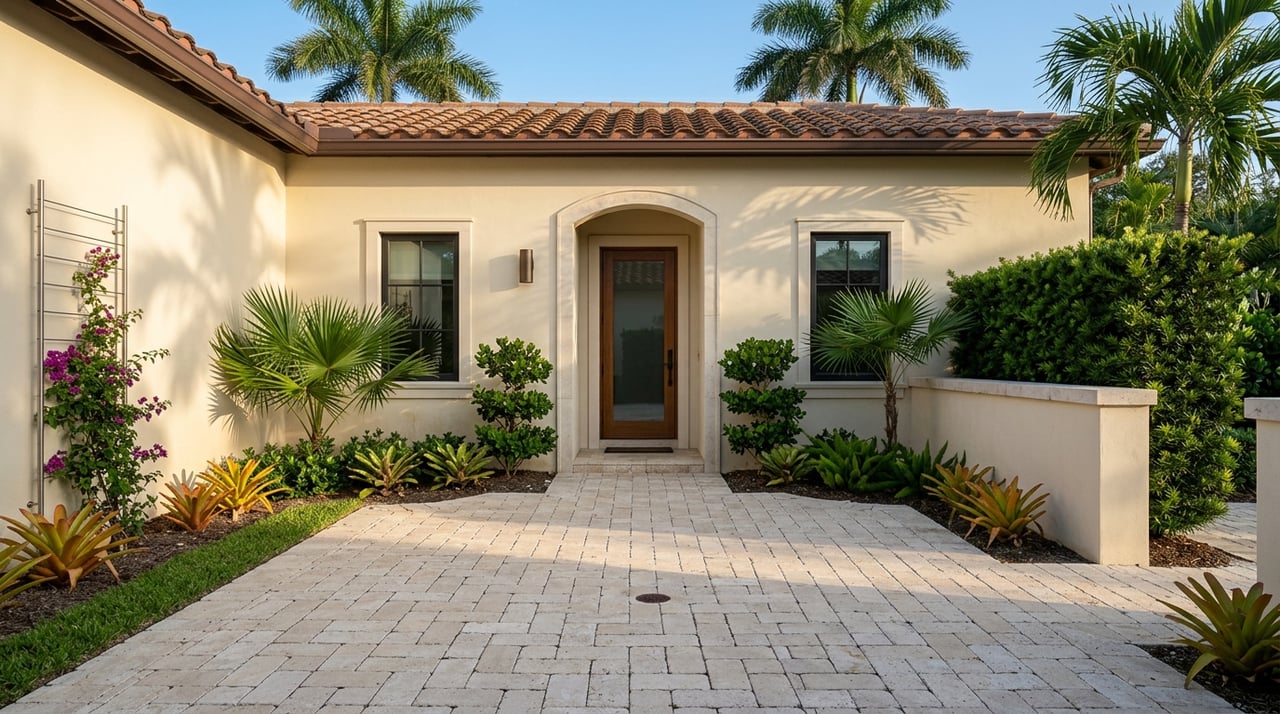
If you are deciding between a gated or non-gated community in Boca Raton, the right fit often comes down to how you want to live day to day. Some buyers want controlled access, club amenities, and a more managed arrival experience. Others want easier public access, historic character, or a walkable street grid. This guide will help you compare both options in practical terms so you can move forward with more clarity. Let’s dive in.
How gated and non-gated living differs
In Boca Raton, gated and non-gated communities often feel very different because they are designed around different priorities. Gated communities usually center on controlled entry, internal roads, and shared amenities. Non-gated neighborhoods typically connect to public streets and may offer more direct access to the rest of the city.
Examples on the gated side include Boca West and Broken Sound. Both are private club communities with multiple villages and a range of housing types, from condos to estate homes.
On the non-gated side, areas like Old Floresta and Spanish Village reflect Boca Raton’s early residential design, while Pearl City remains the city’s oldest surviving neighborhood. Downtown Boca is another non-gated example, built around public streets, mixed-use planning, and pedestrian-oriented circulation.
Gated communities in Boca Raton
Gated communities in Boca Raton are often chosen for access control, amenities, and a more structured neighborhood setup. In many cases, they also offer a broad mix of housing within one master-planned environment.
At Boca West, there are 24/7 manned gatehouses at three entrances, a visitor tracking system, and housing options that include attached villas, condominiums, custom homes, and estate homes. Broken Sound also features a gated setup with 28 villages and more than 1,600 homes.
Many gated communities are also amenity-driven. According to Boca West’s village overview, available amenities can include golf, dining, fitness, spa facilities, racquet sports, pools, trails, dog parks, and playgrounds. If you want a neighborhood that bundles housing and lifestyle features together, this model may appeal to you.
Pros of gated communities
Buying in a gated community can make sense if you value a more managed environment. Common advantages include:
- Controlled access with staffed or automated entry
- Amenity packages tied to club or community living
- Multiple home types within one community
- Shared maintenance and neighborhood-wide standards
- A more structured arrival process for residents and guests
What to watch for
The same access controls that feel appealing can also create friction. In communities with gatehouses, guest entry, deliveries, and vendor access may require pre-registration or a call-in system.
For example, Boca Pointe’s community notices show that gates can back up during busy seasons and that systems like fast-pass or pre-listed guests may be used to speed entry. When you tour a gated neighborhood, pay attention to whether entry feels smooth or slow at the times you are most likely to come and go.
Non-gated communities in Boca Raton
Non-gated neighborhoods in Boca Raton usually offer a more open connection to the city’s public street network. For many buyers, that means simpler access, fewer layers of arrival rules, and a neighborhood feel shaped more by architecture and location than by gate-controlled circulation.
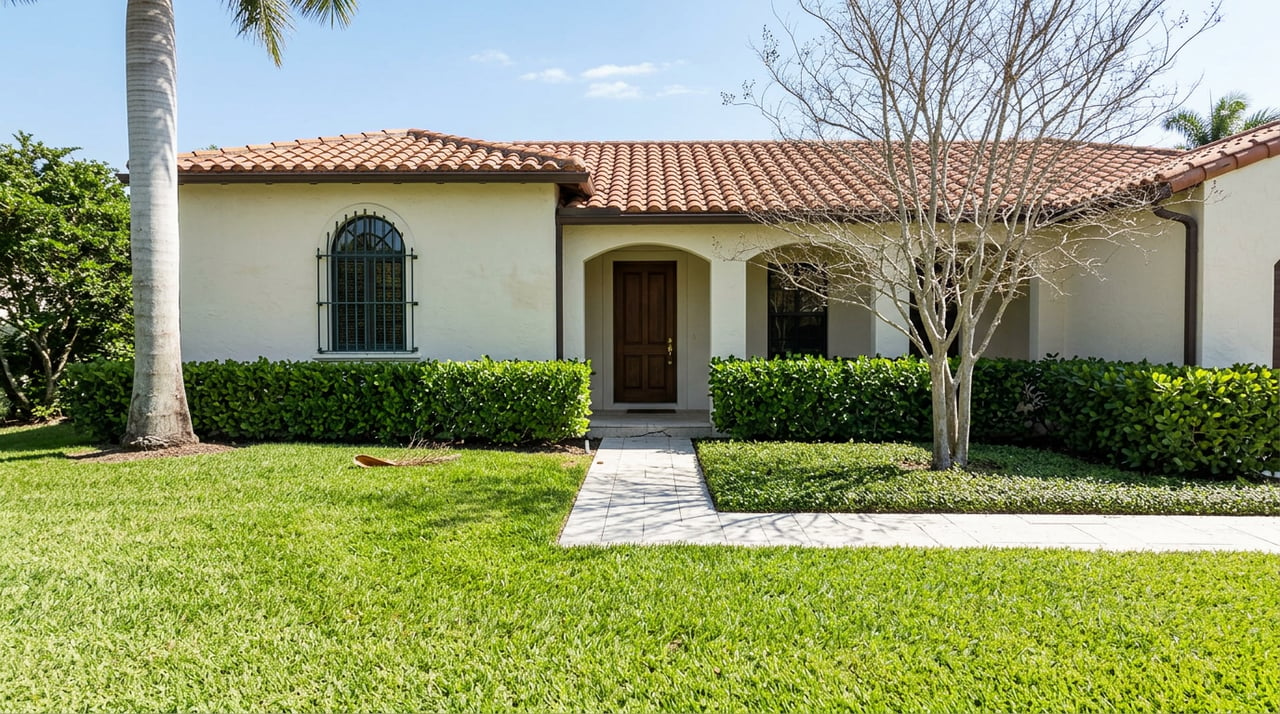
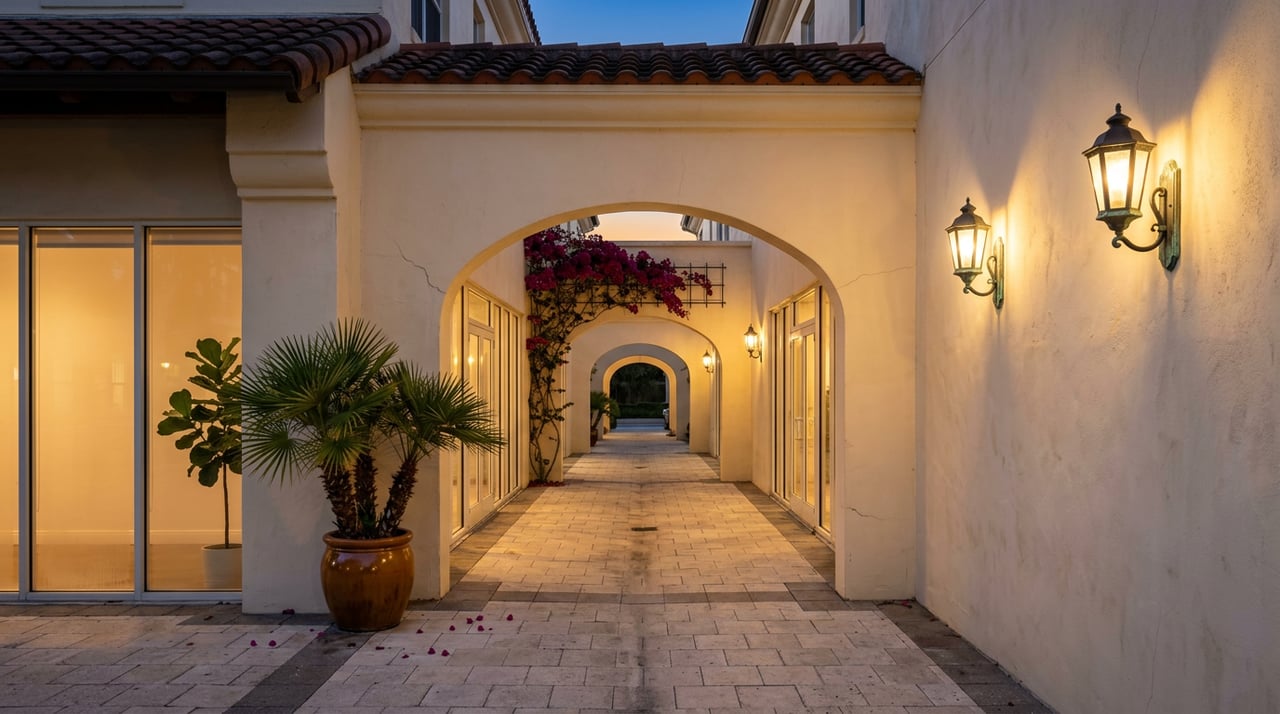
Historic areas such as Old Floresta and Spanish Village are known for Spanish and Mediterranean Revival design details like rough-finished stucco, wrought-iron balconies, and barrel-tile roofs. Pearl City reflects an early wooden neighborhood fabric and long-standing street-based layout. The Boca Raton Historical Society also notes that the city’s 1960s growth wave introduced thousands of homes, co-ops, and condos, many in a Florida modern style.
Downtown Boca adds another version of non-gated living. The city’s downtown planning documents emphasize direct access from major roads, pedestrian-oriented streets, public spaces, and parking management.
Pros of non-gated communities
A non-gated neighborhood may be the better fit if you want flexibility and easier access. Common benefits include:
- Direct public street access
- Less gate processing for guests and service providers
- More architectural variety
- Historic or mixed-era housing options
- Walkable or mixed-use settings in some locations
What to watch for
Open access usually means more exposure to regular city traffic patterns, parking activity, and public circulation. In a downtown or street-grid setting, convenience can come with a busier feel.
That does not automatically make one option better than the other. It simply means your choice should match how you want your home environment to function every day.
Compare privacy and traffic flow
When buyers compare gated versus non-gated communities, privacy often gets the most attention. In practice, traffic flow and arrival experience matter just as much.
At Boca West, gatehouses and visitor tracking create a more controlled entry system. In open-street areas, access is generally more direct because you are using the city’s public roads rather than a private entry checkpoint.
As you tour neighborhoods, keep your checklist simple and practical:
- Are entries staffed, automated, or layered?
- Do guests or vendors need advance approval?
- Is there a traffic queue at peak hours?
- How easy is it to get in and out during a normal workday?
- Does the entry experience match your lifestyle needs?
These details can have a real impact on your daily routine, especially if you travel often, host guests regularly, or rely on service providers.
HOA rules and monthly costs
One of the biggest mistakes buyers make is comparing only the list price. In Boca Raton, both gated and non-gated communities may have association rules and fees, and those costs can be more layered than they first appear.
Under Florida Chapter 720, associations can levy reasonable fines for violations, but they must provide written notice and a hearing opportunity before fines or suspensions. The law also says suspensions cannot block an owner’s vehicular and pedestrian ingress and egress.
Florida law also allows associations to regulate exterior appearance through architectural review when that authority appears in the governing documents. According to Section 720.3035, those standards must be applied reasonably and equitably.
In some Boca communities, the fee structure includes both a master association and village-level obligations. Boca Pointe states that it maintains road rights-of-way, street lighting, gatehouse operations, landscaping, access control, and roving patrols through its master association, while each village has its own board and governing documents. Boca West also separates the master association from club membership.
That is why your true cost comparison should include more than principal, interest, taxes, and insurance. You should also review:
- Master association dues
- Village or sub-association dues
- Club dues, if applicable
- Special assessments
- Capital contribution fees
- Transfer fees
- Estoppel-related costs
- Rental, renovation, or access-related rules
Florida’s estoppel statute is especially relevant during due diligence because it helps confirm amounts owed and timing requirements.
Home styles and neighborhood feel
Your choice may also come down to design preferences. Gated communities in Boca often provide many home types inside one enclave, while non-gated neighborhoods may offer more variety from block to block.
In Boca West’s village overview, housing ranges from condominiums and townhomes to custom homes and estate homes. Broken Sound also includes condos, single-family homes, and custom estates.
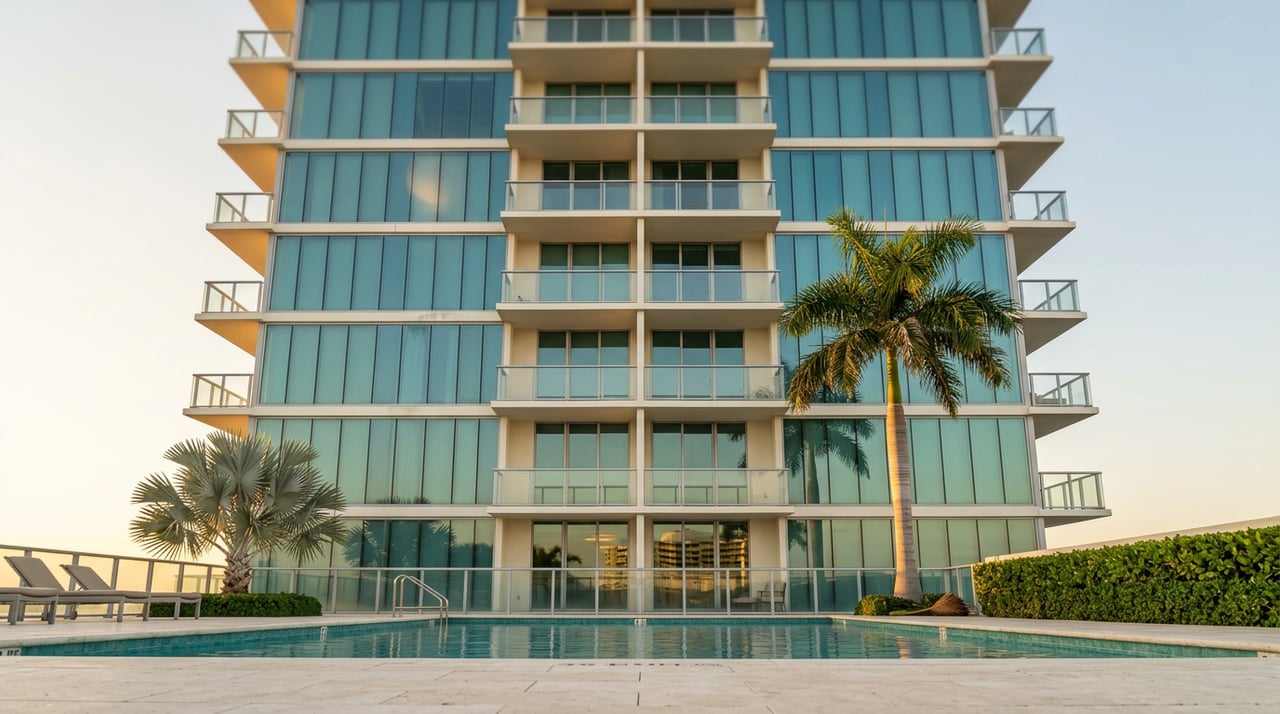
In non-gated Boca neighborhoods, the architecture can be more historically layered. You may find Mediterranean Revival details in one area, Florida modern homes in another, and low-rise or high-rise condo living elsewhere. If character and visual variety matter to you, non-gated neighborhoods may offer more of that texture.
How to choose the right fit
A simple framework can help you narrow the field.
Choose a gated community if you want controlled access, club-style amenities, and a more managed living environment. Choose a non-gated neighborhood if you want easier public access, architectural diversity, and fewer layers of entry control.
No matter which direction you lean, read the rules carefully before you make an offer. Confirm whether club membership is optional, mandatory, or separate from the property itself. Review the estoppel certificate, association documents, and any architectural guidelines so you know exactly what you are buying into.
If you want help comparing Boca Raton neighborhoods with both lifestyle goals and long-term costs in mind, Jamaal Gill can help you evaluate the details and move with confidence.
FAQs
What is the main difference between gated and non-gated communities in Boca Raton?
- Gated communities are built around controlled access and often include club-style amenities, while non-gated neighborhoods usually connect directly to public streets and may offer easier access and more architectural variety.
Are gated communities in Boca Raton always part of a club?
- Not always, but some well-known gated communities like Boca West and Broken Sound are club-oriented, and community documents should confirm whether club membership is separate, optional, or mandatory.
Do non-gated neighborhoods in Boca Raton have HOA rules too?
- Yes, some non-gated neighborhoods may still have associations and rules, so you should review governing documents and fee structures regardless of whether a gate is present.
What costs should buyers compare in Boca Raton communities?
- In addition to mortgage and property taxes, compare association dues, club dues if applicable, special assessments, transfer fees, capital contributions, and estoppel-related costs.
What should buyers observe when touring a gated Boca Raton community?
- You should check how entry is managed, whether guests need pre-registration, whether traffic backs up at peak hours, and how smooth the daily arrival process feels.
Are non-gated Boca Raton neighborhoods more varied in home style?
- Often, yes. Non-gated areas in Boca Raton can include historic Spanish and Mediterranean Revival homes, early wooden houses, Florida modern homes, and downtown residential options tied to a public street grid.