Thinking about owning a place near Las Olas and trying to choose between a condo-hotel and a traditional condo? You are not alone. The area’s walkable lifestyle and strong tourism make both options appealing, but they work very differently. In this guide, you will learn how each ownership type operates, what it costs, how financing and insurance differ, what income you can expect, and a practical checklist to use before you buy. Let’s dive in.
What is a condo-hotel
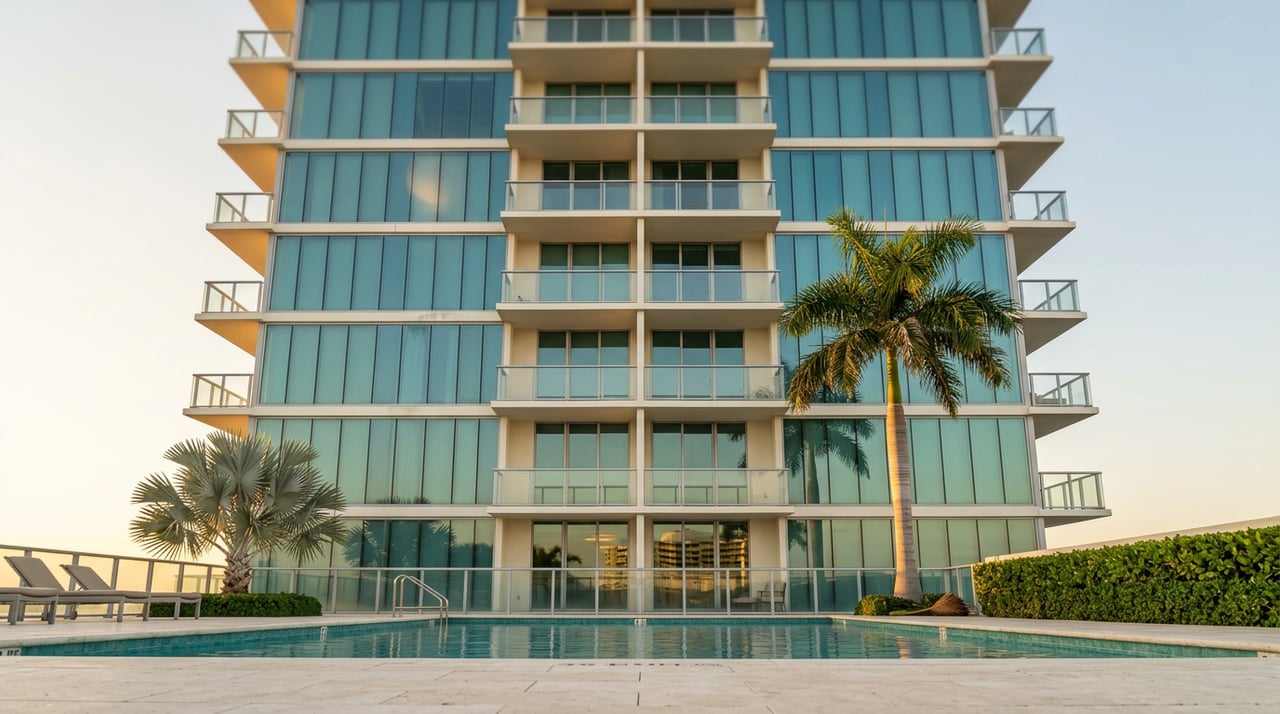
A condo-hotel is a building where you own a deeded unit and the property operates as a hotel. You can stay in your unit for personal use, and when you are not there, you can place it into the building’s rental program, often called the rental pool. A hotel operator runs front desk services, housekeeping, marketing, and booking.
When your unit rents, gross room revenue flows through the hotel operation first. Management fees and operating expenses come off the top, then you receive your share. The split and fees depend on the operator agreements in that building.
How a conventional condo differs
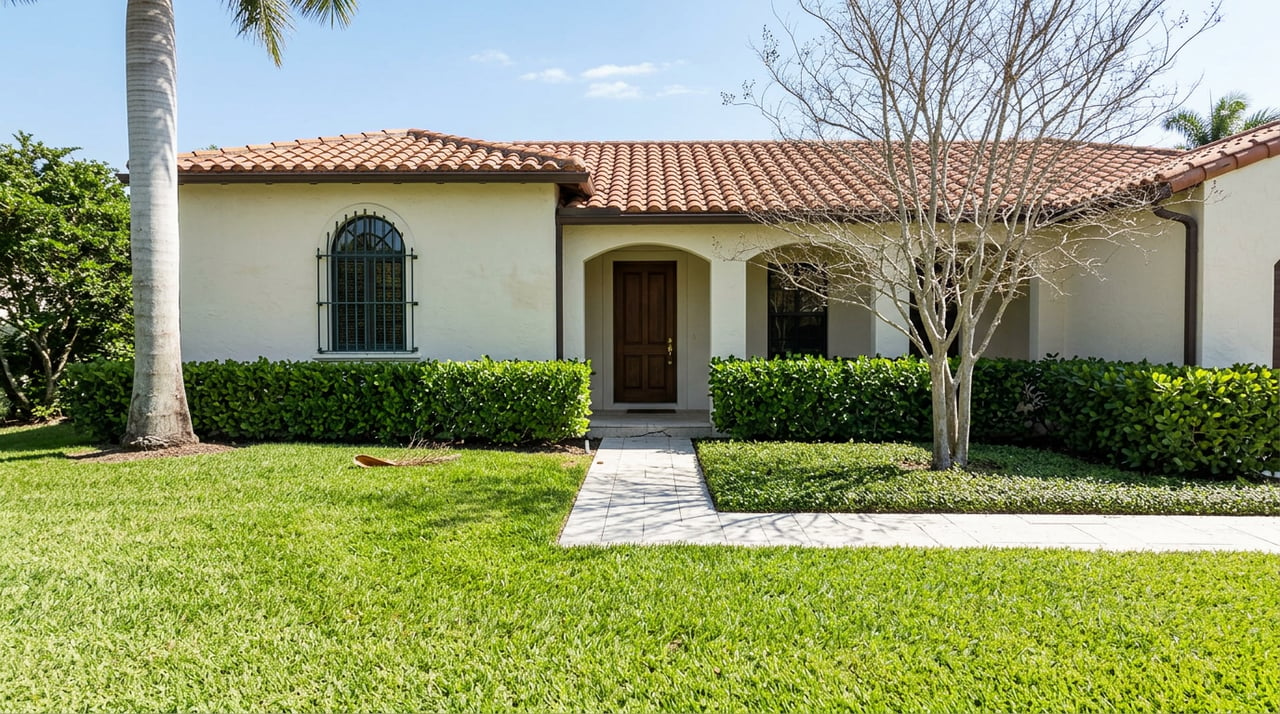
A conventional condo is a residential community governed by an association. You own your unit and share common areas through the HOA. There is no centralized hotel rental system. Leasing your unit is subject to association rules, but you control who rents and when within those rules.
Management is different too. Condo associations use property managers and a board that sets budgets and rules. Condo-hotels use a hotel operator under a management or licensing agreement that governs daily operations and rentals.
Las Olas market snapshot
Las Olas and the nearby downtown, beachfront, and Intracoastal areas offer high-amenity, walkable living with restaurants, galleries, boating, and easy beach access. That mix attracts visitors all year, with winter as a higher season. Fort Lauderdale also benefits from yachting and cruise traffic, plus business and corporate travel, which help support multi-season demand. Those dynamics make condo-hotels a natural fit for short stays, while traditional condos appeal to owners who want consistent use and control.
Short-term rental rules and taxes
Short-term rental and transient occupancy activity is regulated by the city and county. If you participate in a condo-hotel rental program, you must comply with local transient occupancy and tourist tax rules, plus any city registration requirements for rentals. City and county rules can change, and owners or operators must collect and remit required taxes.
Before you buy, confirm current regulations with the City of Fort Lauderdale, Broward County, and the State of Florida. Verify whether the operator collects and remits taxes for owner participants, and how responsibility is documented in the governing agreements.
Income and expenses in condo-hotels
In a condo-hotel, your income depends on the building’s occupancy and average daily rate, which are driven by the operator’s brand, marketing, and rate strategy. There is no guaranteed income. You receive variable distributions after management fees, housekeeping, marketing charges, taxes, and utility allocations.
In Las Olas, strong tourism and seasonality can create attractive periods of demand, especially in winter. Still, your actual results depend on the building and operator. Ask for historical rental statements and occupancy/ADR reports to understand income patterns before you commit.
Financing and resale reality
Financing for condo-hotel units is more limited than for conventional condos. Many lenders view them as non-warrantable or higher risk. You may need a larger down payment and more flexible terms, and some buyers choose cash. Conventional mortgage programs with condo project approvals often do not apply to condo-hotels.
Resale can be different too. The buyer pool for condo-hotels skews to investors and second-home buyers comfortable with short-term rental income. Many traditional homebuyers prefer standard condos, which can make condo-hotel resale timing and pricing more variable. A conventional condo typically offers broader lending options and a wider buyer audience.
Insurance, flood, and coastal risk
Much of Fort Lauderdale sits at low elevation with coastal flood and storm surge exposure. In any condo, the association’s master policy covers common areas and sometimes structural elements. You still need a unit owner policy, often called an HO-6, and in coastal areas, separate flood insurance through the NFIP or private markets. Windstorm coverage may also be separate.
In a condo-hotel, master policies can be written to commercial standards. High deductibles or post-storm assessments are possible. Confirm the FEMA flood zone for the property and the coverage details for both master and unit policies. In coastal Broward County, rising insurance premiums and changes in flood and wind markets are an ongoing factor in carrying costs.
Control and lifestyle differences
If you value hotel amenities and want hands-off rental management, a condo-hotel can work well. You trade control and flexibility for convenience and turnkey income potential. Your personal use may be limited by the governing documents, and you must follow hotel operating rules.
If you plan to live in your unit full-time or want simpler leasing rules you control, a conventional condo generally fits better. You still follow HOA rules, but you decide on tenant selection and timing within those rules. Carrying costs and financing may be more predictable.
Quick comparison: condo-hotel vs. condo
- Ownership experience
- Condo-hotel: Hotel-style services, centralized bookings, variable income.
- Condo: Residential community, owner-controlled leasing within HOA rules.
- Financing
- Condo-hotel: Fewer lenders, larger down payments are common.
- Condo: Broader lending options and conventional approvals in many buildings.
- Fees and expenses
- Condo-hotel: Management, marketing, housekeeping fees plus HOA; complex allocations.
- Condo: HOA dues and owner expenses, generally simpler structure.
- Use and control
- Condo-hotel: Potential limits on personal use, must follow hotel rules.
- Condo: More control of use and leasing within community rules.
- Resale
- Condo-hotel: Narrower buyer pool, pricing can be more volatile.
- Condo: Wider audience of owner-occupants and investors.
What to review before you buy
Use this due diligence checklist to compare specific properties in Las Olas:
- Governing documents
- Condominium Declaration, Bylaws, and Rules and Regulations.
- Hotel Management Agreement and Unit Owner Participation Agreement.
- Any riders that affect your unit, including use limitations and fee schedules.
- Financials and performance
- HOA budget, reserve study, and recent financial statements.
- Historical rental income statements and owner distributions for 12 to 36 months, if available.
- Occupancy and average daily rate reports by month or season.
- Insurance and risk
- Master insurance policy, deductibles, and coverage scope.
- HO-6 requirements and estimated premiums.
- Flood zone details and current flood or windstorm insurance costs.
- Legal and compliance
- Litigation reports for the association or operator.
- Proof of transient tax registration and compliance in the city and county, where applicable.
- Practical operations
- Owner use rights and any limits on personal nights per year.
- Utilities and allocations, including whether they are individually metered.
- Parking rights and guest parking rules.
- Housekeeping procedures and storage for owner belongings.
- Conversations with current owner participants about real-world income and pain points.
- Financing and exit
- Pre-approval from lenders experienced with condo-hotels and Florida condos.
- Resale history for the building and typical buyer profiles for similar units.
Who each option fits best
- Choose a condo-hotel if you want hotel-level amenities, professional rental marketing, and minimal day-to-day involvement, and you can accept variable income and use limits.
- Choose a conventional condo if you want more control, broader financing options, and the ability to live in the unit or rent it out on terms set by the association.
How to move forward in Las Olas
Start by clarifying your primary goal. Is it lifestyle-first with occasional rental income, or income-first with personal use sprinkled in? Next, shortlist buildings that match your goal and request full document sets and historical rental or HOA financials. Then, compare insurance scenarios and financing terms side by side so you see true carrying costs and likely cash flow.
If you want a seasoned advisor who understands both luxury lifestyle goals and investor-grade numbers, reach out to Jamaal Gill. You will get clear guidance on condo-hotel versus condo, support with documents, creative financing ideas, and bilingual service.
FAQs
What is a condo-hotel and how does it work in Las Olas
- A condo-hotel sells deeded units to owners while operating as a hotel with centralized booking, housekeeping, and revenue sharing through a rental pool managed by a hotel operator.
How is a Las Olas condo different from a condo-hotel
- A conventional condo is a residential community with HOA management where you control leasing within association rules and there is no centralized hotel rental program.
Are short-term rentals allowed and what taxes apply in Fort Lauderdale
- Short-term rentals and transient occupancy are regulated locally, and required transient and tourist taxes must be collected and remitted; verify current city and county rules before buying.
Can I live full-time in a Las Olas condo-hotel unit
- Some condo-hotels allow it, but many limit personal use or require rental pool participation; check the Hotel Management Agreement and Unit Owner Participation Agreement.
Is financing harder for condo-hotel units than condos
- Yes. Fewer lenders finance condo-hotels, larger down payments are common, and terms may be less favorable compared with many conventional condos.
What insurance do I need near the beach in Fort Lauderdale
- Expect an HO-6 policy for your unit, flood insurance through NFIP or private markets, and possibly separate windstorm coverage; review the master policy and deductibles closely.
How much rental income can I expect from a Las Olas condo-hotel
- Income varies by building, operator, seasonality, and unit size; there is no guaranteed income, so request historical statements and occupancy/ADR reports before you buy.