Trying to decide whether a single-family home or a townhome is the smarter rental buy in Port St. Lucie? You want steady cash flow, manageable risk, and a property that fits your time and budget. This guide shows you how each option performs here, what it costs to own, and how to underwrite the numbers with local realities in mind. By the end, you’ll have a clear framework to choose the right asset for your strategy. Let’s dive in.
Port St. Lucie snapshot: prices and demand
Home values in Port St. Lucie sit around the high-$300ks to about $400k depending on source and timing, with a neutral market tempo that often gives you room to negotiate. Typical rents span a wide range by product type, but cross-sample averages run roughly in the low-to-mid $2,000s. The city is growing, with an estimated population of about 258,575 and continued in-migration that supports steady housing demand. You will see premiums in master-planned areas and waterfront pockets, while older inland product can offer stronger yield potential. U.S. Census QuickFacts and local development coverage of projects like Wylder confirm ongoing growth and new supply dynamics; expect neighborhood-level differences to drive outcomes. For a sense of how new master-planned projects shape pricing and demand, review this overview of Wylder’s west-side buildout.
Single-family vs townhome: the big differences
Upfront cost and inventory bands
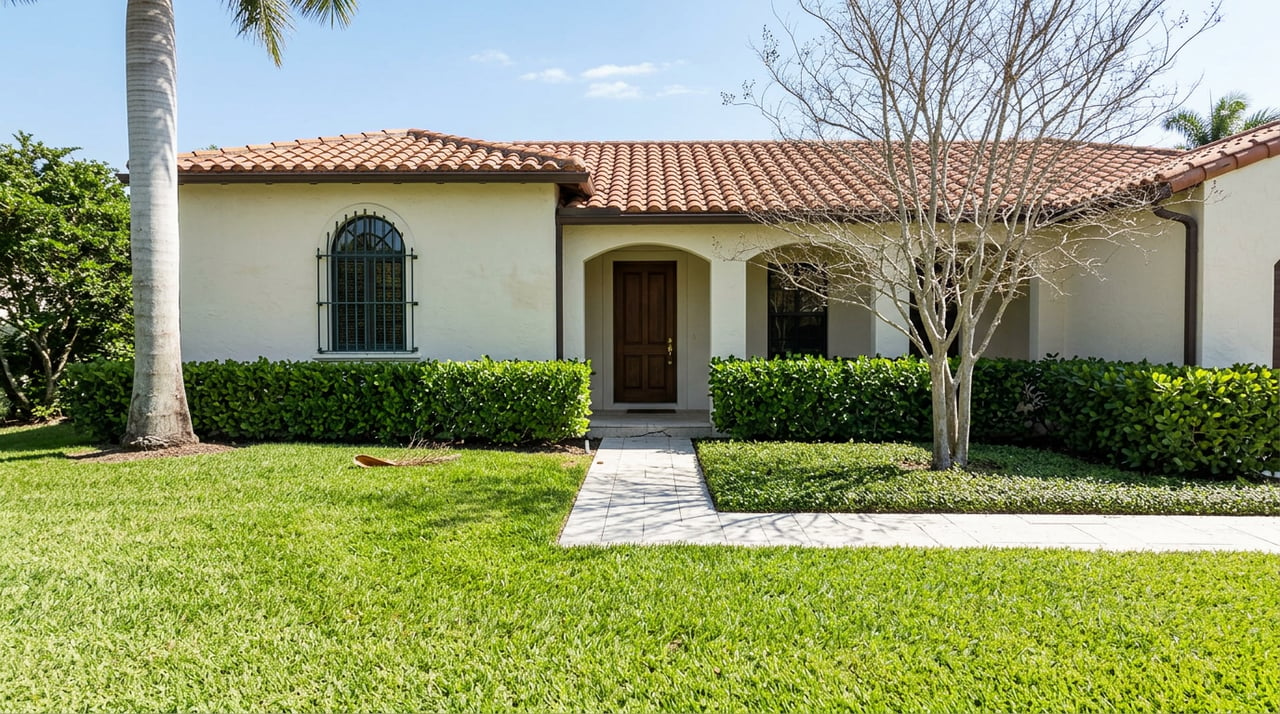
- Single-family homes: Common entry-to-mid options trade in the low-to-mid $200ks into the $400ks. Newer, larger, or golf and waterfront locations often price in the $400k to $700k+ range.
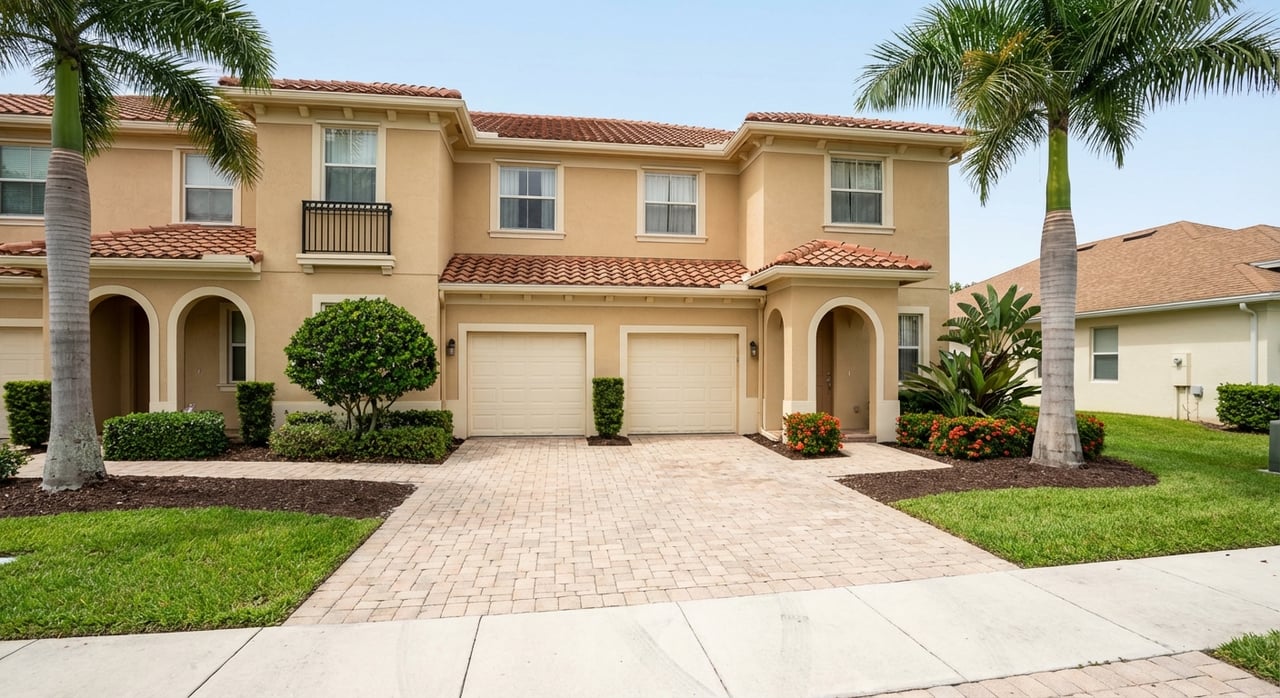
- Townhomes: Many listings cluster around $300k to $350k. Older 1–2 bed units can be well below that, while newer, amenity-rich communities price higher. Structure matters: some townhomes are condo-type with more HOA coverage, others are fee-simple in an HOA.
Rents and renter demand
- Single-family homes often attract longer leases and command premium per-unit rents for 3+ bedroom layouts. Many 3-bed SFRs lease around $2,200 to $3,200 depending on condition and location.
- Townhomes appeal to residents seeking low-maintenance living. Rents can be similar for comparable bedroom counts but are sometimes slightly lower than comparable detached homes in the same submarket.
- Demand is hyper-local. Always underwrite with neighborhood comps rather than citywide medians.
HOA structure and rules
- Townhomes typically carry higher and more consistent HOA dues because associations often cover exterior maintenance, landscaping, common areas, and sometimes building insurance in condo-type structures. Monthly dues in local communities often fall anywhere from about $150 to $650+ based on amenities and reserve practices.
- Single-family homes are frequently outside HOAs. Where they exist, fees vary widely. Master-planned and golf communities can run higher.
- Before you write an offer, get the CC&Rs, current budget and reserve study, the last year of meeting minutes, and an estoppel letter. Florida’s association law gives HOAs meaningful authority, so confirm rental rules, minimum lease terms, and special assessment risk. You can review the statutory context in Florida Chapter 720.
Maintenance and insurance realities
- Budget a maintenance and capital reserve. A simple screen is to set aside about 1 to 3 percent of property value per year for repairs and larger items, and to model operating expenses conservatively.
- Port St. Lucie has hurricane exposure and some parcels fall in FEMA flood zones. Expect wind deductibles and price separate flood policies where required. Condo-type townhomes may include some building coverage in the master policy; fee-simple townhomes and detached SFRs need their own dwelling and flood insurance as applicable. The city provides helpful flood mitigation and insurance guidance.
Financing and ongoing costs
Down payment and loan types
Investor loans usually require more down than owner-occupied financing. Plan for roughly 15 to 25 percent down on conventional investment loans, with reserves and pricing that vary by lender and property type. Debt-service coverage (DSCR) and portfolio loans can be alternatives if you are underwriting to cash flow. For a Florida-focused overview, see this investment property loan guide.
Operating costs to include
- Property taxes: Effective rates often model near 1 percent on average, but actual bills vary by location and exemptions. Use parcel-level data and your TRIM notice to confirm. As a starting point, review local property tax data context.
- Insurance: Include wind/hurricane and flood if applicable.
- HOA dues: Especially relevant for townhomes and master-planned SFRs.
- Property management: Plan about 8 to 12 percent of monthly rent for long-term rentals. Short-term rentals often run 15 to 25 percent or more.
- Vacancy and CapEx: Model 5 to 10 percent vacancy and keep a capital reserve for larger items like roofs and HVAC.
Short-term rentals: potential and guardrails
Port St. Lucie short-term rentals can work in the right micro-locations. Market dashboards show occupancy roughly around 60 to 63 percent with average daily rates near $170 to $190 across recent 12-month periods. Seasonality is strong, and proximity to golf, river access, or attractions can lift performance. See sample metrics summarized by Airbtics.
If you consider an STR, confirm three things before buying: city and county licensing or registration requirements, zoning allowances for the parcel, and HOA or condo rules. Model taxes correctly as well. Florida’s state sales tax is 6 percent and St. Lucie County commonly adds a 5 percent tourist development tax, creating an effective lodging tax near 11 percent in many cases. You can review current county rates here: Florida transient rental tax rates by county.
Match the asset to your strategy
Hands-off and predictable
- Likely fit: Townhome or condo-style townhome with a well-run HOA. Exterior maintenance is simpler and common areas are handled.
- Tradeoffs: Monthly HOA dues reduce cash flow. Rental caps, minimum lease terms, and special assessments can limit flexibility. Diligence on reserves and rules is essential.
Control and cash-flow focus
- Likely fit: Non-HOA or light-HOA single-family home. You set leasing terms and capture higher rents for larger floor plans.
- Tradeoffs: You handle yard, roof, and exterior. Insurance and maintenance exposure sits with you, so budget conservatively and build strong reserves.
STR operator or hybrid strategy
- Likely fit: SFR or townhome near golf, river, or attractions where STR demand is proven. Underwrite ADR and occupancy with third-party data and price higher operating costs.
- Tradeoffs: More active operations, higher management fees, licensing tasks, and stricter compliance. Verify zoning and HOA permissions before you plan revenue.
Quick underwriting checklist
- Pull 3 to 6 months of neighborhood sold comps and underwrite to the micro-market, not citywide medians.
- Get HOA documents: CC&Rs, budget, reserve study, 12 months of minutes, and an estoppel letter. Review Florida’s HOA statute framework for context.
- Build a full budget: mortgage, taxes, wind and flood insurance, HOA dues, management, utilities if landlord-paid, vacancy, and a CapEx reserve.
- For STRs: confirm permits, transient lodging taxes near 11 percent in many cases, and HOA rules. Check county tax guidance and city requirements.
- Check flood risk and insurance needs using the city’s flood mitigation page.
Neighborhood micro-markets matter
Master-planned communities like Tradition, PGA Village, and St. Lucie West, plus new west-side projects such as Wylder, often command higher prices and support strong amenity-driven demand. Waterfront pockets add premiums that can boost STR and long-term rents. Older inland homes can price lower, which may improve cash-on-cash returns if you buy well and manage expenses. Always align your purchase with the tenant base you plan to serve and the lease structure you prefer.
The bottom line
If you want lower time commitment and predictable upkeep, a townhome in a capable HOA can be a smart first step. If you want more control, higher absolute rents, and longer stays, a single-family home may fit better. Short-term rentals can outperform in the right locations but require tighter underwriting and compliance.
Ready to run the numbers on specific properties and model cash flow with local assumptions? Connect with Jamaal Gill for a tailored strategy and on-the-ground guidance.
FAQs
What are typical prices for townhomes vs single-family in Port St. Lucie?
- Many townhomes list around $300k to $350k, with older units below and newer communities above; single-family homes commonly range from the low-to-mid $200ks into the $400ks, with larger or premium-location homes higher.
How do HOA rules affect rental investments?
- HOAs can set minimum lease terms, rental caps, application procedures, and assessment policies; review CC&Rs, budgets, reserves, minutes, and an estoppel before you buy, and consult Florida’s Chapter 720 to understand association powers.
What insurance should I budget for in Port St. Lucie?
- Plan for wind/hurricane coverage and separate flood insurance where required; condo-type townhomes may include some building coverage in a master policy, while fee-simple townhomes and SFRs need their own dwelling and flood policies.
Are short-term rentals allowed in Port St. Lucie?
- Many are allowed with proper compliance, but you must confirm city and county permitting, zoning for the parcel, HOA rules, and plan for state and county lodging taxes that commonly total near 11 percent.
What rents can a 3-bedroom single-family home achieve?
- Many 3-bed SFRs lease in the roughly $2,200 to $3,200 range depending on condition, location, and included amenities; always price to recent neighborhood comps.
How much should I set aside for maintenance and CapEx?
- A simple planning range is about 1 to 3 percent of property value per year for repairs and larger items, plus additional reserves for roofs, HVAC, and unexpected events.