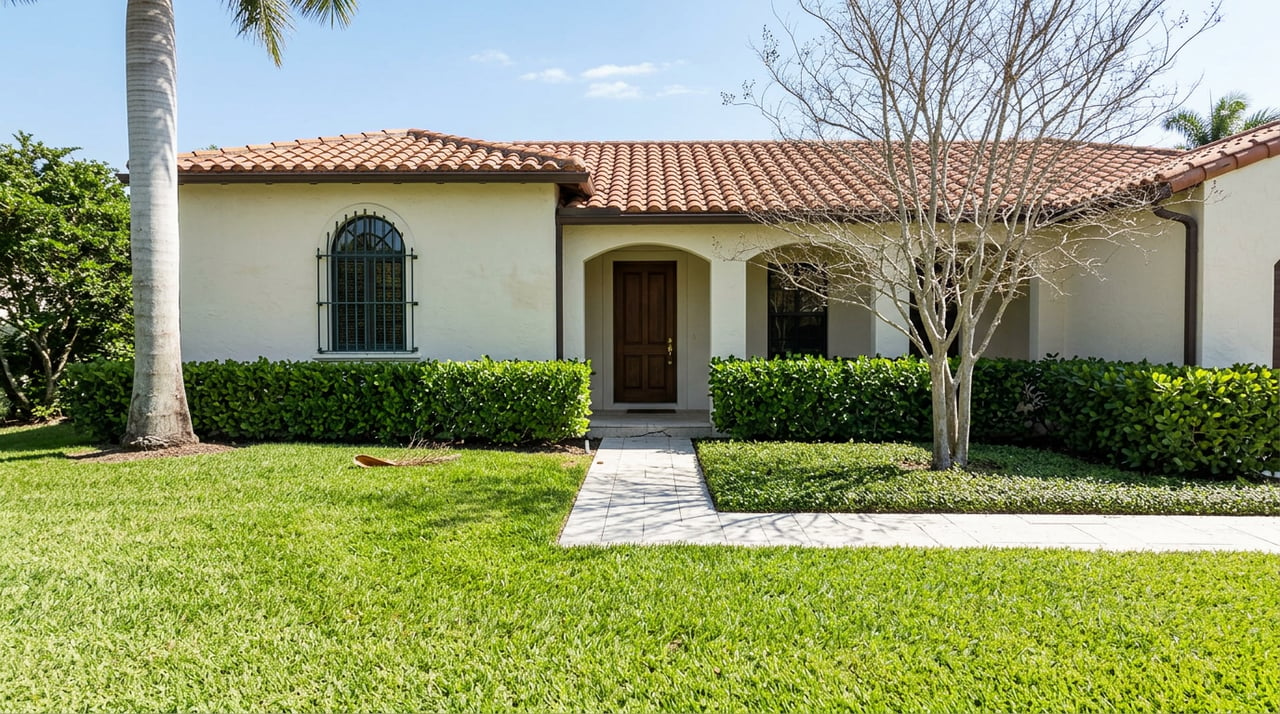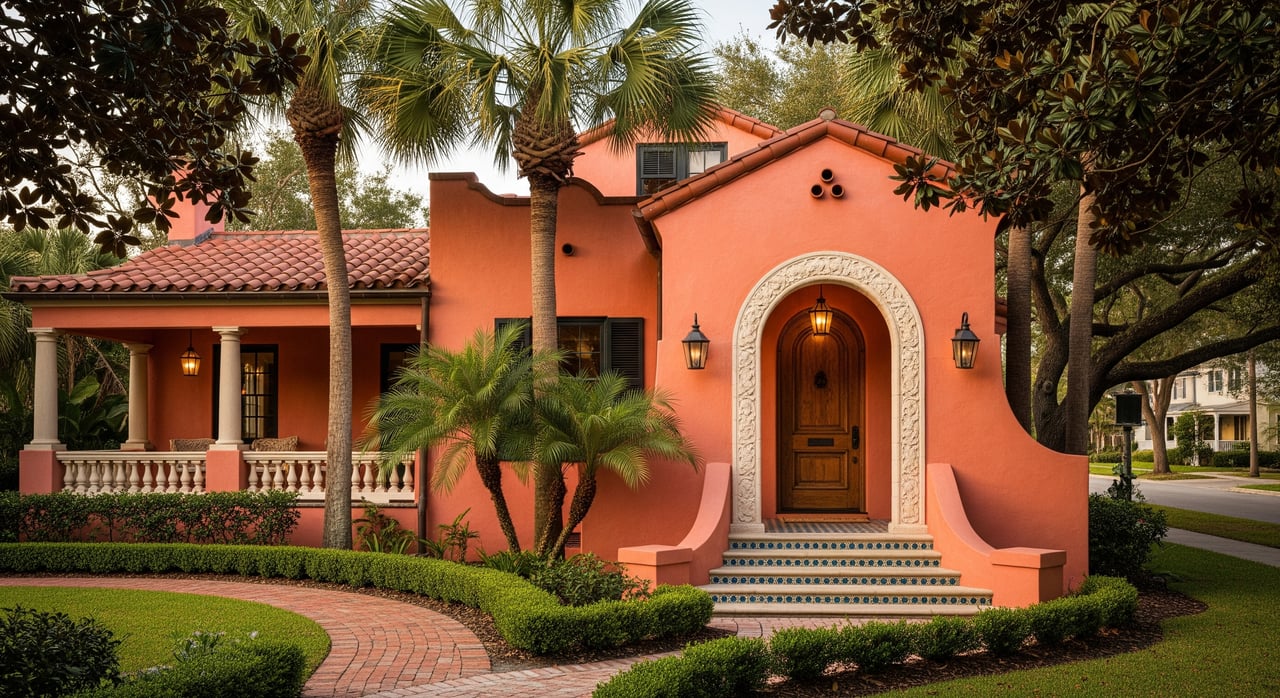
Love the character homes along Delray’s tree-lined streets? Buying in a historic district can be rewarding, but it comes with rules, timelines, and extra diligence. If you value architecture, walkability, and a strong sense of place, you may find the trade-off worth it. In this guide, you’ll learn how historic designation works, what approvals you need, what to inspect, and how to plan financing and insurance. Let’s dive in.
What “historic district” means
Historic districts recognize places with architectural or cultural significance. In Delray Beach, you may encounter local, state, or federal recognition, each with different implications for your plans.
Local vs. state and federal listings
- Local designation: The city uses a historic preservation ordinance to protect exterior character. You may need approvals for exterior changes, additions, or demolition. Review is handled by a local Historic Preservation Board or staff.
- State and federal designation: Listings with the Florida Division of Historical Resources or the National Register of Historic Places recognize significance. These listings do not by themselves restrict private owners unless public funds, permits, or tax incentives are involved.
- Different tools: Cities can use overlay districts, specific landmarks, or conservation districts. Each tool has different rules, so confirm what applies to your property.
Why this matters when you buy
- Approvals affect timelines and budgets. Exterior work often requires a formal review, which can add weeks to your schedule.
- Marketability can shift. Many buyers pay a premium for character and location, while others prefer fewer restrictions.
- You may qualify for limited incentives or technical guidance. Ask the city and state resources about programs and best practices for repairs.
Renovations and approvals
Buying in a historic district means planning your changes with the review process in mind. This is where early conversations with the City of Delray Beach staff can save you time and money.
Certificate of Appropriateness
- Expect a Certificate of Appropriateness (COA) or similar approval for exterior changes, visible repairs, additions, and new construction.
- Minor work can sometimes be approved administratively in days. Larger projects may require a board hearing, which can add several weeks or more.
- Be prepared to submit drawings, photos, elevations, and material samples. A pre-application meeting is often available and encouraged.
Repairs vs. alterations
- Routine maintenance and true like-for-like repairs are often permitted. For example, repairing an original wood window in place is usually different from replacing it with a new material.
- Material changes, such as swapping wood siding for vinyl, may be restricted. Plan in-kind or historically appropriate replacements.
- Major renovations must meet current building codes. If strict compliance would damage historic materials, alternatives are sometimes considered. Expect coordination with building officials and preservation staff.
Demolition, easements, and use rules
- Demolition usually faces extra review or a waiting period. Documentation or mitigation can be required if demolition is approved.
- Check title for preservation easements or deed restrictions. These private agreements can limit changes and run with the land.
- Historic districts sit on top of existing zoning. Confirm setbacks, parking rules, and whether accessory dwelling units are allowed. Short-term rental policies change, so verify current ordinances before modeling rental income.
Inspections and condition
Historic homes in South Florida shine with craftsmanship, but they can hide age-related issues. Get ahead of surprises with the right inspections.
Common age-related issues
- Moisture and wood rot are common in older structures.
- Termite or pest damage may be present, especially in original framing or trim.
- Electrical and plumbing systems may be outdated, including galvanized pipes or older panels.
- Roofing, windows, and doors often need attention to improve performance and reduce insurance costs.
Specialized inspections
- Start with a general home inspection, then add targeted reviews: pest and termite, moisture and mold, roofing, and foundation.
- If you plan changes, consult a historic-property specialist or preservation architect. Their input helps you design to the standards and avoid costly rework.
- Verify that prior renovations were permitted and closed. Unpermitted work can complicate resale and may require corrective permits.
Flood, wind, and climate risk
- Many historic neighborhoods are in FEMA flood zones. Lenders often require flood insurance. Request the property’s flood zone and any elevation certificate.
- Wind exposure influences insurance premiums and upgrade priorities. Roof tie-downs and impact-rated windows can lower costs.
- Consider long-term climate impacts. Sea-level rise and stronger storms can affect maintenance budgets and insurability over time.
Financing, insurance, and taxes
Buying a historic property can be straightforward if you plan for underwriting, appraisal comps, and insurance details early.
Appraisals and renovation loans
- Appraisers typically use historic-district comparables, which can support value for character and location.
- If you plan major work, explore renovation loans such as FHA 203(k) or Fannie/Freddie HomeStyle. Each has specific eligibility and scope limits, and historic review can add time to the process.
- For federally or state-insured programs, additional review layers may apply due to historic status.
Insurance realities
- Older homes can cost more to insure. Carriers look at replacement cost, materials, coastal proximity, and claims history.
- Flood insurance may be required by your lender if the property is in a mapped flood zone. Elevation data and mitigation features can influence premiums.
- Windstorm coverage is essential in South Florida. Citizens Property Insurance remains a residual market option when private coverage is limited.
Incentives and property taxes
- The Federal Historic Rehabilitation Tax Credit offers 20 percent for certified rehabilitation of income-producing historic properties that meet eligibility criteria. This does not apply to owner-occupied primary residences.
- Florida’s homeowner incentives are limited compared to other states. Local grants or technical assistance may be available, so ask the city and the state historic resources office.
- Normal property tax rules still apply. Significant improvements can increase your assessed value and taxes.
Resale and lifestyle trade-offs
Historic districts often attract buyers who value architecture, walkability, and a cohesive streetscape. This demand can support appreciation and help homes stand out. At the same time, design guidelines, review timelines, and maintenance expectations can limit alterations and add cost.
If you want a dramatic addition or a quick post-closing renovation, the process may feel slower than a non-historic area. If you prioritize authenticity and neighborhood identity, you may find the protections well worth the effort. The key is to go in with clear expectations, the right experts, and a realistic budget.
Your due diligence checklist
- Confirm designation and boundaries
- Ask for documentation of local designation, any landmark status, and recorded preservation easements. Verify with the City of Delray Beach.
- Review standards and past approvals
- Request prior Certificates of Appropriateness, permits, and approved drawings from the seller or city records.
- Hire the right inspectors
- General inspector, pest and termite, moisture and mold, roofer, and system specialists. Add a preservation architect or historic consultant if planning changes.
- Assess flood and insurance exposure
- Pull the FEMA flood status, request any elevation certificate, and obtain insurance quotes that reflect coastal and wind risks.
- Verify permitting and code compliance
- Confirm that past renovations were permitted and closed. Unpermitted work may require retrofits or removal.
- Map the approval timeline
- If you plan exterior work, budget for COA review, possible board hearings, and procurement of materials.
- Explore financing options
- Speak with lenders about renovation loan eligibility and how historic review can affect underwriting and appraisal.
- Check neighborhood rules
- Confirm short-term rental policies, parking rules, and any planned public projects that could affect the district.
- Run a title check for easements
- Look for preservation easements or covenants that add restrictions beyond city review.
- Plan maintenance reserves
- Older homes often need more frequent care. Build a higher-than-average annual maintenance budget.
Smart buying strategy with Premier Palm Beach
You deserve a clear plan that balances charm with practical ownership. That means aligning your design goals with the review process, selecting materials that pass historic standards, and modeling insurance and financing early. If you are considering rental income, verify short-term rules and underwrite conservatively.
As a boutique advisory backed by The Agency, we pair local knowledge with investor-grade guidance. We help you map approval timelines, coordinate the right inspections, explore renovation loan paths, and model insurance and holding costs. Whether you prefer English or Spanish, you will get responsive, concierge-level service focused on your goals and your bottom line.
Ready to explore Delray’s historic districts with a plan that fits your lifestyle and ROI? Connect with Jamaal Gill to start a tailored advisory conversation.
FAQs
What is a historic district in Delray Beach?
- A historic district is an area recognized for its architecture or cultural significance. Local designation typically requires review for exterior changes, while state or federal listings mainly recognize significance unless public funds or incentives are involved.
Do I need approval to renovate a historic home’s exterior?
- Yes, most exterior work requires a Certificate of Appropriateness or similar review. Minor items may be approved administratively, while larger projects often need a board hearing.
Can I make interior changes without review in Delray’s districts?
- Interior, non-structural changes are often not the focus of local historic rules. Always confirm with the city’s preservation staff and building department before starting work.
How do flood and wind risks affect historic homes near the coast?
- Many areas fall within FEMA flood zones, so lenders may require flood insurance. Wind exposure can raise premiums, and mitigation such as impact windows can help reduce costs.
Are there tax credits for restoring a historic home I live in?
- The federal credit generally applies to income-producing properties, not owner-occupied primary residences. Ask local and state offices about any grants or technical assistance.
Will owning in a historic district help resale value?
- It can. Many buyers value character and location, which can support appreciation. However, restrictions and higher maintenance can reduce appeal for some buyers, so results vary by property and market conditions.