Curious whether new-construction rentals in Port St. Lucie make sense right now? You are not alone. Between steady in-migration, lifestyle demand, and shifting housing costs, many renters and investors are eyeing fresh, move-in-ready homes across the city. In this guide, you will learn what is driving demand, what product types are coming online, how to underwrite opportunities, and how to protect your investment. Let’s dive in.
Why Port St. Lucie demand is rising
Port St. Lucie sits within Florida’s fast-growing Treasure Coast and benefits from affordability compared with larger South Florida metros. That relative value attracts a mix of retirees, families, and working professionals. Many residents also commute to nearby employment centers in Martin and Palm Beach counties, which expands the renter pool.
Seasonality matters. Florida’s winter population bump can influence short-term occupancy patterns and pricing. At the same time, long-term demand is supported by household formation and steady population growth typical of the Sun Belt corridor.
What counts as “new construction” rentals
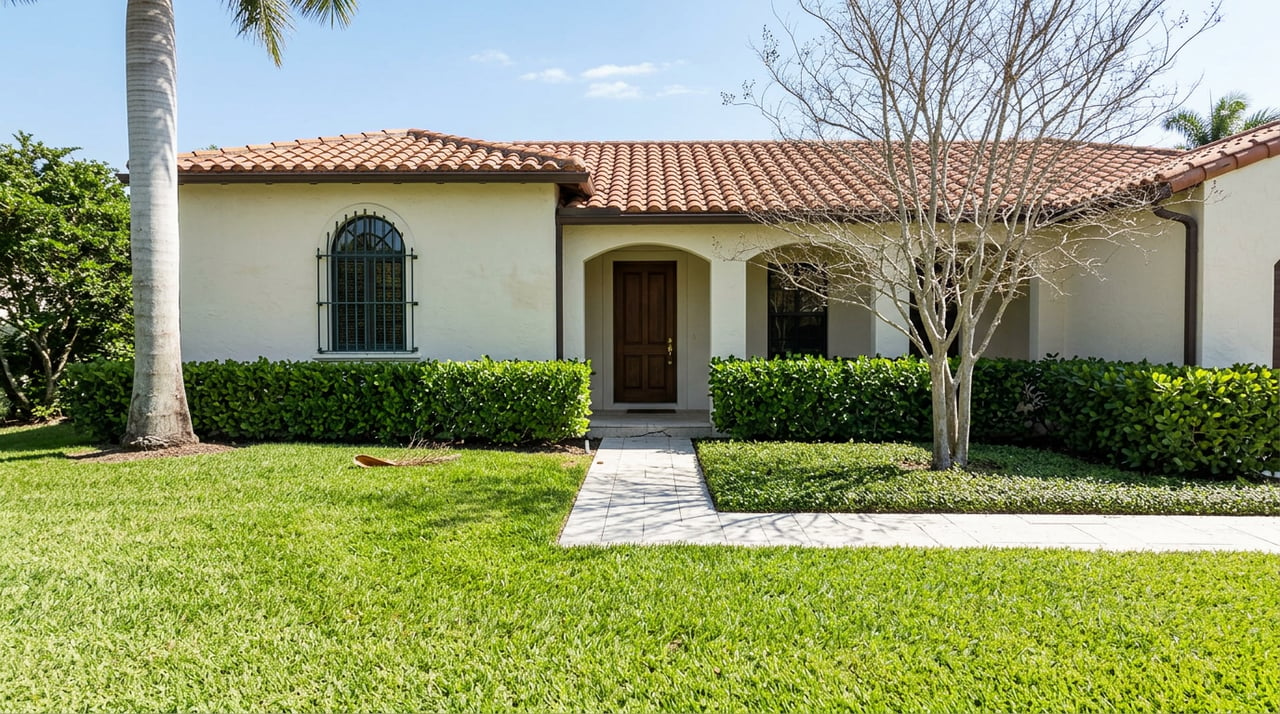
New-build rentals in Port St. Lucie span several formats, each targeting a slightly different renter profile and price point.
Core product types
- Single-family rentals: Detached homes built to rent or held in portfolios. Popular with families and long-term tenants.
- Townhomes and duplexes: Often positioned for middle-market renters seeking space and value.
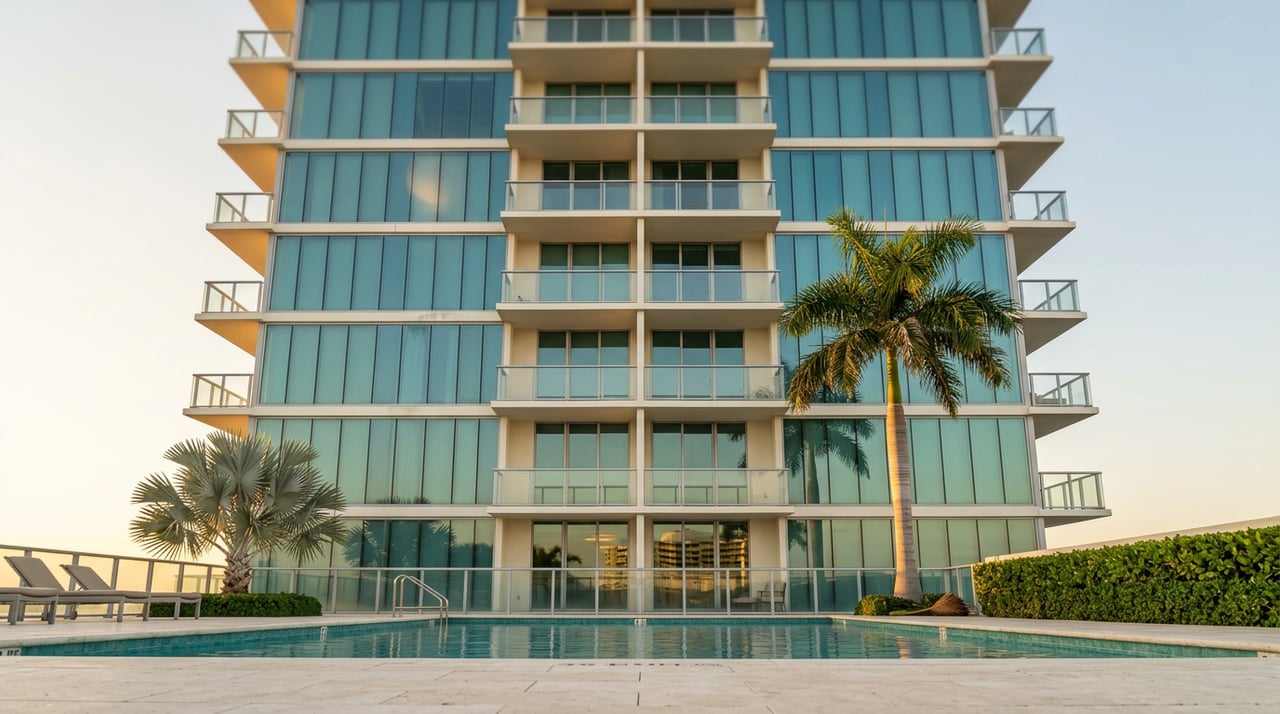
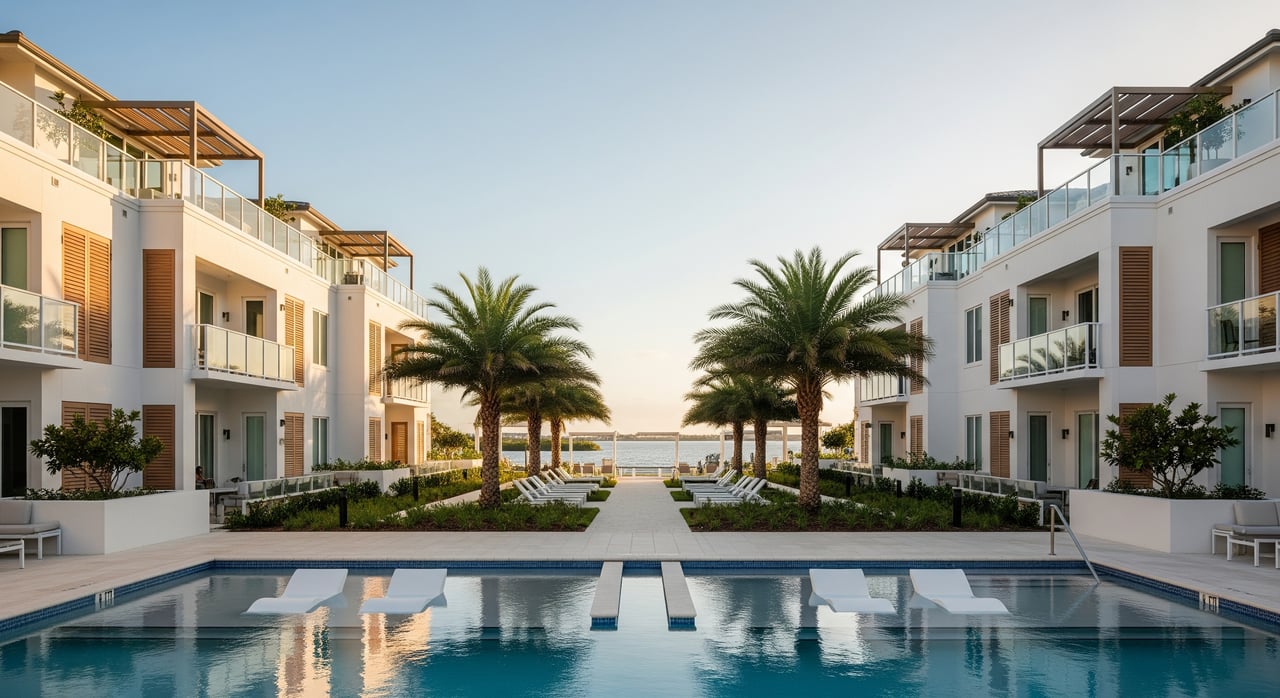
- Garden-style and mid-rise apartments: Amenitized communities with features like pools, fitness centers, and clubhouses. Appeal to young professionals and retirees who want low-maintenance living.
- Build-to-rent communities: Purpose-built, for-rent neighborhoods managed at scale. A growing category in suburban Florida.
- Mixed-use infill: Less common locally, but possible near employment or retail nodes.
Features that attract tenants
- Unit mix: Two and three bedrooms often fit local demand from families and downsizers.
- Amenities: In-unit laundry, smart thermostats, high-speed internet, package lockers, and pet-friendly spaces increase appeal.
- Resiliency: Impact windows, elevated construction, and robust HVAC systems support safety, comfort, and insurability.
- Efficiency: Energy-conscious design can lower utility costs and reduce turnover risk.
Neighborhood snapshots to watch
- Tradition area: A master-planned setting with newer housing and mixed-use elements that often supports higher-end product.
- Riverfront and emerging corridors: Opportunities for multifamily infill where services and retail are nearby.
- Northern and western edges: Recently developed subdivisions that can support single-family or build-to-rent inventory.
- Commuter corridors and healthcare nodes: Proximity to shopping, clinics, and major roadways enhances rental attractiveness.
Pricing and vacancy context
Across the early 2020s, Sun Belt markets saw tight vacancies and rising rents. By 2023 and 2024, conditions began normalizing with slower rent growth and somewhat higher vacancy compared with peak periods. New construction often supports a rent premium due to modern finishes, energy efficiency, and amenities. Always compare like-for-like units when assessing rent levels and concessions, since local dynamics can differ from larger South Florida metros.
Investor math: underwriting the deal
Successful investors in new-construction rentals rely on careful modeling and conservative assumptions.
Costs and financing
- Development costs: Land, site work, materials, labor, permitting, impact fees, and hurricane-resilient features drive the budget. Cost volatility has eased compared with 2020-2022, but interest rates still impact feasibility.
- Capital stack: Many projects use a construction loan that converts to permanent financing, with equity filling the gap. Institutional build-to-rent operators may blend construction financing and equity at scale.
Operating metrics to track
- Rent per unit and achievable occupancy at stabilization.
- Operating expenses, including elevated insurance and maintenance reserves.
- Exit cap rate and sensitivity to interest rate shifts.
- Lease-up timelines and absorption risk when multiple projects deliver concurrently.
Permits, zoning, and fees
New development in Port St. Lucie requires coordination with the city’s planning and building divisions, and in some cases St. Lucie County. You will need to align with the comprehensive plan, zoning map, and Future Land Use designations. Impact fees and utility connection fees are meaningful line items and are subject to change.
Floodplain and coastal considerations can affect design and cost. FEMA maps and local codes may require elevation, additional freeboard, or on-site stormwater solutions. Expect landscaping, parking, and stormwater requirements as part of site plan approval.
Insurance and resiliency
Coastal and near-coastal exposure in Florida raises wind and flood considerations. Insurers and lenders will expect compliance with the Florida Building Code and may require flood coverage in higher-risk zones. Many successful projects highlight hurricane-hardening and energy efficiency as differentiators that also support operational resilience.
Operating playbook: property management and leasing
- Lease strategy: Consider varied lease terms to match seasonal patterns or aim for longer durations to stabilize cash flow.
- Technology: Smart locks, online rent payments, and digital maintenance portals are now baseline expectations.
- Utilities: Decide early which utilities are tenant-paid versus included, since this choice affects both demand and expenses.
- Maintenance: New builds may have fewer immediate capital needs but can still face warranty or builder-related items. A responsive plan protects occupancy and reputation.
Renter checklist: what to look for
- Lease basics: Term length, renewal increases, pet rules, and HOA requirements if the home sits within a community.
- Resiliency and risk: Whether the property is in a mapped flood zone and what protections are in place. Consider renter’s insurance.
- Comfort and costs: Energy-efficient features, quality of HVAC, and internet options. Newer homes can reduce utility costs.
- Property management: Clear service expectations for maintenance requests and communication.
How to evaluate an opportunity
Use a simple framework to streamline due diligence and negotiation.
- Define the target renter. Align beds, baths, and amenities with likely demand in the submarket.
- Validate rents and concessions. Compare similar new product to confirm achievable pricing and lease-up pace.
- Map costs with buffers. Include impact fees, inspections, and insurance with contingency for surprises.
- Stress test returns. Adjust rent, vacancy, and exit cap assumptions to see where the project still works.
- Plan for resiliency. Confirm code compliance, wind and flood protections, and disaster-readiness protocols.
- Align operations. Choose the right manager and technology stack before marketing begins.
Work with a local advisor
If you want move-in-ready comfort as a renter or a durable, income-focused new-build strategy as an investor, you need local insight and disciplined underwriting. Our advisory approach blends on-the-ground knowledge with investor-grade analysis, and we are happy to serve you in English or Spanish. Ready to explore new-construction rentals in Port St. Lucie with a clear plan? Connect with Jamaal Gill for tailored guidance across South Florida.
FAQs
Are new-construction rentals more expensive than older homes in Port St. Lucie?
- New builds often command a premium because of modern finishes, energy efficiency, amenities, and professional management, though market conditions and concessions can narrow the gap.
How does seasonality affect renting or leasing up in Port St. Lucie?
- Florida’s winter season can lift short-term demand and occupancy, while long-term leases typically smooth cash flow throughout the year.
What is a build-to-rent community and why consider it?
- Build-to-rent communities are purpose-built neighborhoods of rental homes managed at scale, offering single-family living with professional management and amenities.
What should investors know about permits and timelines?
- Expect site plan review, building permits, impact fees, and inspections through city and county channels; timelines vary by scope and compliance with zoning and floodplain requirements.
How do wind and flood risks affect new rentals in Port St. Lucie?
- Florida’s code requires wind-resistance standards, and properties in higher-risk flood zones typically require elevation and flood insurance, which influence costs and underwriting.
Which lease strategies work best for new construction rentals?
- Match the product and location to your tenant profile, using longer terms for stable income or flexible options where seasonality or absorption timing calls for it.