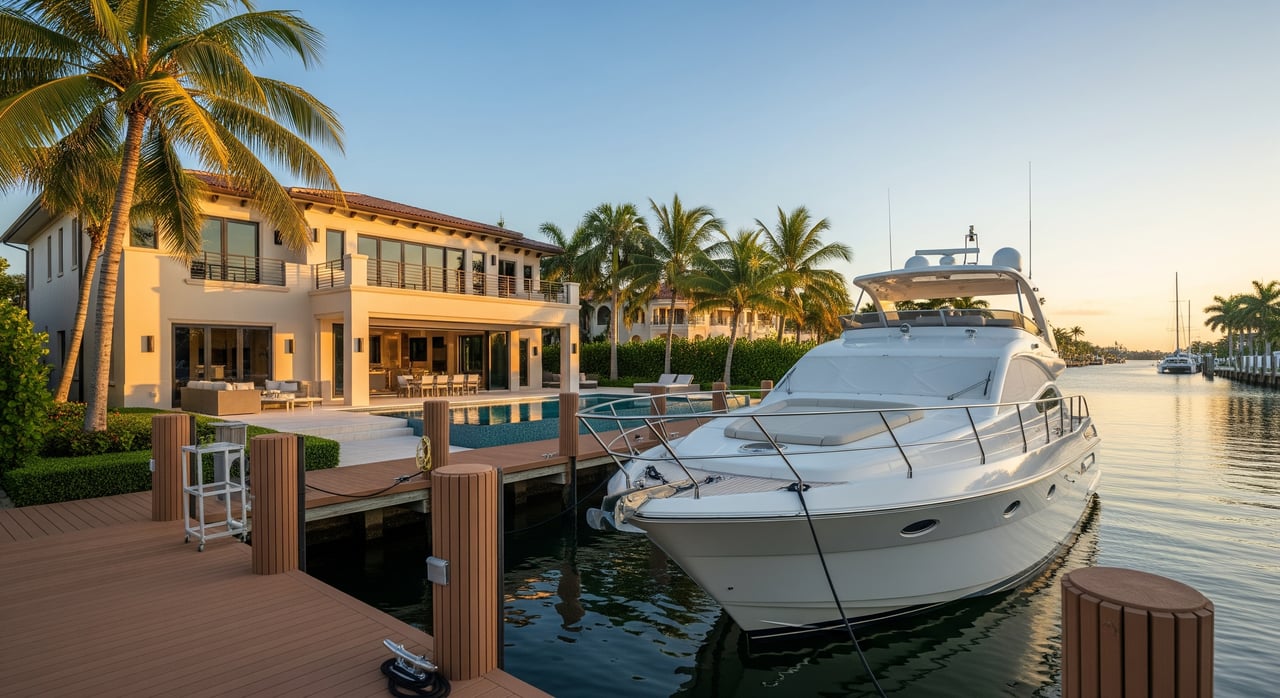
If your perfect day starts at sunrise on the water, Jupiter might be your home port. You want a home that fits your boat, your routine, and the realities of our inlet and canals. In this guide, you’ll learn how Jupiter’s waterways work, what to inspect on docks and seawalls, which permits and rules matter, and how to plan for insurance, slips, and storms. Let’s dive in.
Why Jupiter attracts boaters
Jupiter gives you protected cruising on the Intracoastal Waterway, quick runs offshore through Jupiter Inlet, and scenic trips along the Loxahatchee River. Many homes sit on canals that connect to these routes, though depths and widths can vary by street and tide.
ICW convenience
The Intracoastal Waterway lets you cruise north and south inshore with shelter from ocean swell. From a home on the ICW or near it, you can reach marinas, waterfront restaurants, and neighboring towns without going offshore.
Jupiter Inlet access
Jupiter Inlet is the gateway to the Atlantic for fishing and coastal runs. It is a working inlet with strong tidal flow and periodic shoaling. Dredging occurs as needed, so local knowledge and current conditions should guide your departures.
Loxahatchee River character
Parts of the Loxahatchee River carry a National Wild and Scenic River designation. That status brings conservation rules and use considerations that differ from the ICW. Expect posted speed zones and careful management of sensitive areas.
Neighborhood canals
Canals and smaller waterways can differ in depth, width, and maneuvering room. Some are shallow at low tide, and not all offer the same ocean access time. Verify actual conditions for your block, not just the ZIP code.
Ocean access and navigation
Depth and tides
Depths change with tides and can vary by canal. Mean low-water depth at your dock matters if you run a deeper draft. Know your boat’s draft and plan around low-water windows.
Bridges and air draft
Fixed bridges and low clearances can limit mast and tower heights. If you run a sailboat or a tall center console, confirm bridge heights and opening schedules along your route.
Shoaling and dredging
The inlet and certain canals can shoal between maintenance cycles. Even when dredging is complete, wind and tide can reshape bars and channels. Check recent notices and talk with local operators before committing to tight tide windows.
Evaluate the dock and seawall
A waterfront home is only as good as its waterfront. Focus your inspection on structure, safety, and fit for your vessel.
- Dock age and materials: Note pile type, decking, and hardware. Look for corrosion, rot, or loose fasteners.
- Seawall integrity: Check for cracking, movement, settlement, or scouring at the toe. Confirm the presence and condition of weep holes.
- Permits and as-builts: Ask for permit history and as-built drawings for docks, lifts, and seawalls. Unpermitted work can stall sales and add cost.
- Elevation and freeboard: Ensure the dock elevation meets local code and suits local wave and storm exposure.
- Depth and channel: Request recent soundings at mean low water and any canal surveys. Match depth to your draft.
- Slip and maneuvering: Confirm slip length and beam, neighboring overhangs, and turning room. Verify lift type, capacity, and certification.
Permits and protections to know
Waterfront work involves multiple agencies. Planning ahead can save months of delay.
- Primary permitting: The Florida Department of Environmental Protection, Palm Beach County Environmental Resources Management, and the Town of Jupiter typically oversee docks, lifts, seawalls, and pile work. The U.S. Army Corps of Engineers may be involved for navigable waters and wetlands.
- Manatee and speed zones: Florida Fish and Wildlife Conservation Commission manages manatee protection areas and speed limits. Always follow posted rules, especially in inshore and river areas.
- Sensitive habitats: Seagrass and coral areas are protected. Damage can trigger mitigation requirements and enforcement.
- Loxahatchee protections: Portions of the river have special management that can affect motorized access and structures.
- Local rules: HOAs often set dock sizes, rental rules, and aesthetics. Mooring and anchoring can be limited near inlets, beaches, and navigational aids. Lifts, davits, and fuel lines usually need additional approvals.
Insurance and flood planning
Waterfront living brings unique insurance and code considerations. Build this review into your offer timeline.
- FEMA flood zones: Many waterfront homes fall in zones like AE or VE, which often require flood insurance. Base Flood Elevation influences premiums and design choices.
- Windstorm coverage: Coastal homes usually carry higher wind deductibles and mitigation requirements. You may need hurricane shutters or other upgrades.
- Resilience: Plan for sea-level rise and chronic flooding risk over the long term. Review shoreline stability and the expected lifespan of seawalls and rip-rap.
- Rebuild standards: Florida Building Code and local coastal rules govern what you can rebuild after a major storm, which affects value and cost.
If you rely on marinas
You can enjoy Jupiter boating even without a private dock, but plan ahead.
- Private marinas and yacht clubs: Expect wet slips, fueling, pumpout, and maintenance. Membership rules and waitlists are common.
- Public ramps and transient docks: Useful for trailer boats and short tie-ups. Check county park listings for locations and hours.
- Boatyards and repair: Haul-outs and bottom work require scheduling, especially in winter season.
- Storage choices: Compare the cost and convenience of a long-term slip, a mooring field, or dry stack storage.
- Seasonal demand: Winter brings more traffic, higher transient fees, and limited availability. Get on lists early if your property lacks a dock.
Safety and local boating culture
Jupiter’s boating scene is active and friendly, with a few smart habits that keep you safe.
- Inlet conditions: Tidal currents can be strong and the channel can shift. Time your run and respect the conditions.
- Wildlife: Watch for posted manatee zones and seasonal protections for sea turtles and nesting birds. Obey speed limits and signage.
- Traffic patterns: Expect mixed traffic, including fishing and charter boats near the inlet and offshore grounds. Keep a steady lookout.
- Hurricane planning: Decide in advance whether you will haul out, relocate, or secure at your dock. Many marinas require reservations for storm tie-downs.
Value and resale drivers
Waterfront features affect both joy on the water and long-term value. Deep-water access, a permitted seawall and dock in good repair, and proximity to the inlet tend to support pricing and resale. Unpermitted work, shallow canals, and looming seawall projects can reduce your buyer pool and negotiating power. Seasonal demand and insurance trends also shape timing, financing, and exit strategy.
Next steps for buyers
Use this step-by-step plan to move forward with confidence.
- Define your vessel: Note draft, beam, overall height, and lift needs.
- Time to ocean: Map the route to Jupiter Inlet, including bridge clearances and typical tide windows.
- Verify depth: Request soundings at mean low water at the dock and along the canal.
- Inspect the waterfront: Have a marine surveyor assess dock, pilings, lift, and seawall.
- Confirm permits: Gather as-built drawings and permit records for all waterfront structures.
- Review risk: Pull FEMA flood maps, obtain flood and wind quotes, and compare deductibles.
- Plan resilience: Evaluate elevation, shutters, and storm-securement options for your boat.
- Check marina options: If needed, join waitlists and compare slip, mooring, and dry stack costs.
When you are ready to align your boating lifestyle with a smart real estate move in Jupiter, connect with a local advisor who pairs luxury service with investor-grade guidance. Reach out to Jamaal Gill to start a tailored search and run the numbers with clarity.
FAQs
What makes Jupiter good for boaters?
- You get protected ICW cruising, direct Atlantic access through Jupiter Inlet, and scenic runs on the Loxahatchee River, with many homes on connecting canals.
How challenging is Jupiter Inlet for larger boats?
- The inlet has strong tidal currents and can shoal between dredging cycles, so timing, local knowledge, and current conditions are important.
What should I inspect on a home’s dock and seawall?
- Check permits and as-builts, structural condition of pilings and decking, seawall alignment and scouring, lift capacity, and depth at mean low water.
Which permits apply to dock or seawall work?
- Waterfront work often involves the Florida DEP, Palm Beach County ERM, the Town of Jupiter, and sometimes the U.S. Army Corps for navigable waters.
Do manatee zones affect daily boating?
- Yes. Posted manatee protection and speed zones apply in many inshore and river areas, and you must follow the speed limits and signage.
Will I need flood insurance on a waterfront home?
- Many waterfront homes fall in FEMA flood zones like AE or VE, which typically require flood insurance and can influence premiums and design choices.
What if the property lacks a private dock?
- You can use private marinas, yacht clubs, public ramps, or dry stack storage, but plan ahead for waitlists and higher winter demand.